- 12/07/2026
- Tags: #mustang
- Himalayan Wander Walkers
Pilgrimage Through Mustang: Discovering Nepal’s Spiritual Heritage
Mustang calls to something deep inside you, a pull you can't quite explain. Walking these ancient trails, you're not just a traveler anymore. The wind carries prayers through fluttering flags, centuries-old monasteries hold secrets of devotion, and the silence of the Himalayas strips everything unnecessary away. From the valleys of Beni to the mystical walls of Upper Mustang, every step feels intentional, every breath sacred. People come here searching for peace, for meaning, for themselves. Most leave having found something they didn't even know they were looking for. Come with an open heart. Mustang will do the rest.
On this page 17 sections
- 01 Buddhist Pilgrimage site of Mustang
- 02 Guru Sangphuk Cave
- 03 Kutsab Tergna Monastery
- 04 Lo Gyakar Gompa (Ghar Gompa)
- 05 Luri Gompa
- 06 Chungsi Cave Monastery
- 07 Muktinath (Chumig Gyatsa)
- 08 Jampa Lhakhang
- 09 Thubchen Gompa
- 10 Chode Gompa
- 11 Namgyal Monastery (Namgyal Choedhe Thupten Dhargyeling)
- 12 Tsarang Monastery
- 13 Niphu Gompa and Gharphu Gompa
- 14 Kagbeni Monastery (Kag Chode Thupten Samphel Ling)
- 15 Marpha Monastery (Samten Choling Gompa)
- 16 Kawaguchi Ekai’s Kangyur’s Home
- 17 Conculsion
Buddhist Pilgrimage site of Mustang
Mustang is highly significant in Buddhism as it preserves ancient Tibetan influenced culture, monasteries, and meditation sites that have been practiced for centuries. The region is home to sacred caves, prayer walls, and monasteries where monks continue traditional teachings and spiritual practices.
For Buddhists, Mustang represents a peaceful land of meditation and enlightenment, where silence, mountains, and sacred spaces support inner reflection. It is considered an important cultural and religious area that keeps Buddhist heritage alive in the Himalayas.
Guru Sangphuk Cave
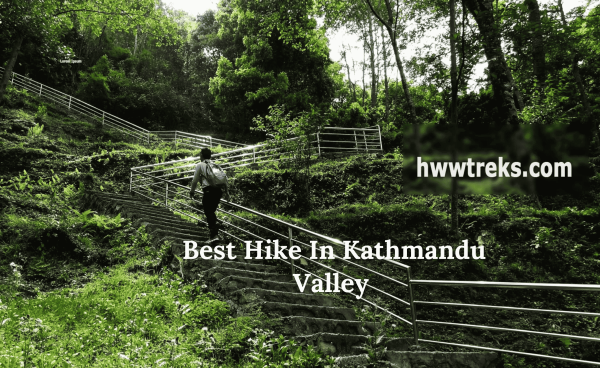
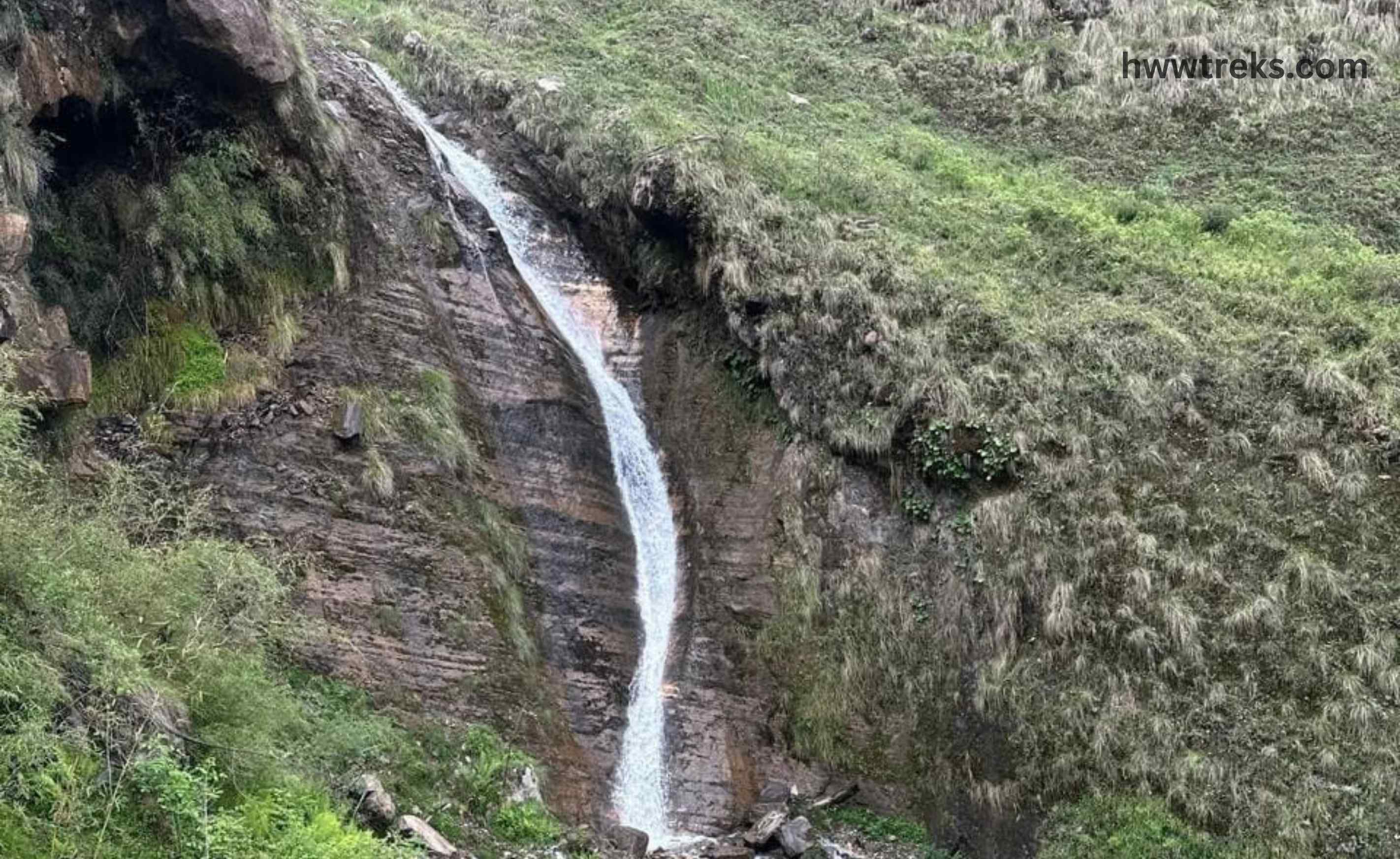 Guru Sangphuk Cave, also known as Gurusangvo or Gurusangbo Cave, is a sacred Buddhist site located in Thasang Rural Municipality, Mustang district of Nepal. According to local mythology, Guru Rinpoche meditated in this cave during the 8th century while chasing a demoness from Tibet, giving the site deep cultural and spiritual significance for Buddhist devotees. A chorten stands near the cave, further marking its sanctity.
In recent years, the cave has grown increasingly popular as both a spiritual and tourist destination. The local Rural Municipality developed infrastructure including a hiking trail, public toilet, and rest points, encouraging pilgrims and travelers to visit this remote shrine of the "Second Buddha." The route now features a 286-meter railing and reinforced retaining walls, making the once-difficult trek accessible. Today, Guru Sangphuk stands as one of Mustang's emerging pilgrimage sites, blending ancient legend with modern accessibility for visitors exploring the region's rich Tibetan Buddhist heritage.
Kutsab Tergna Monastery
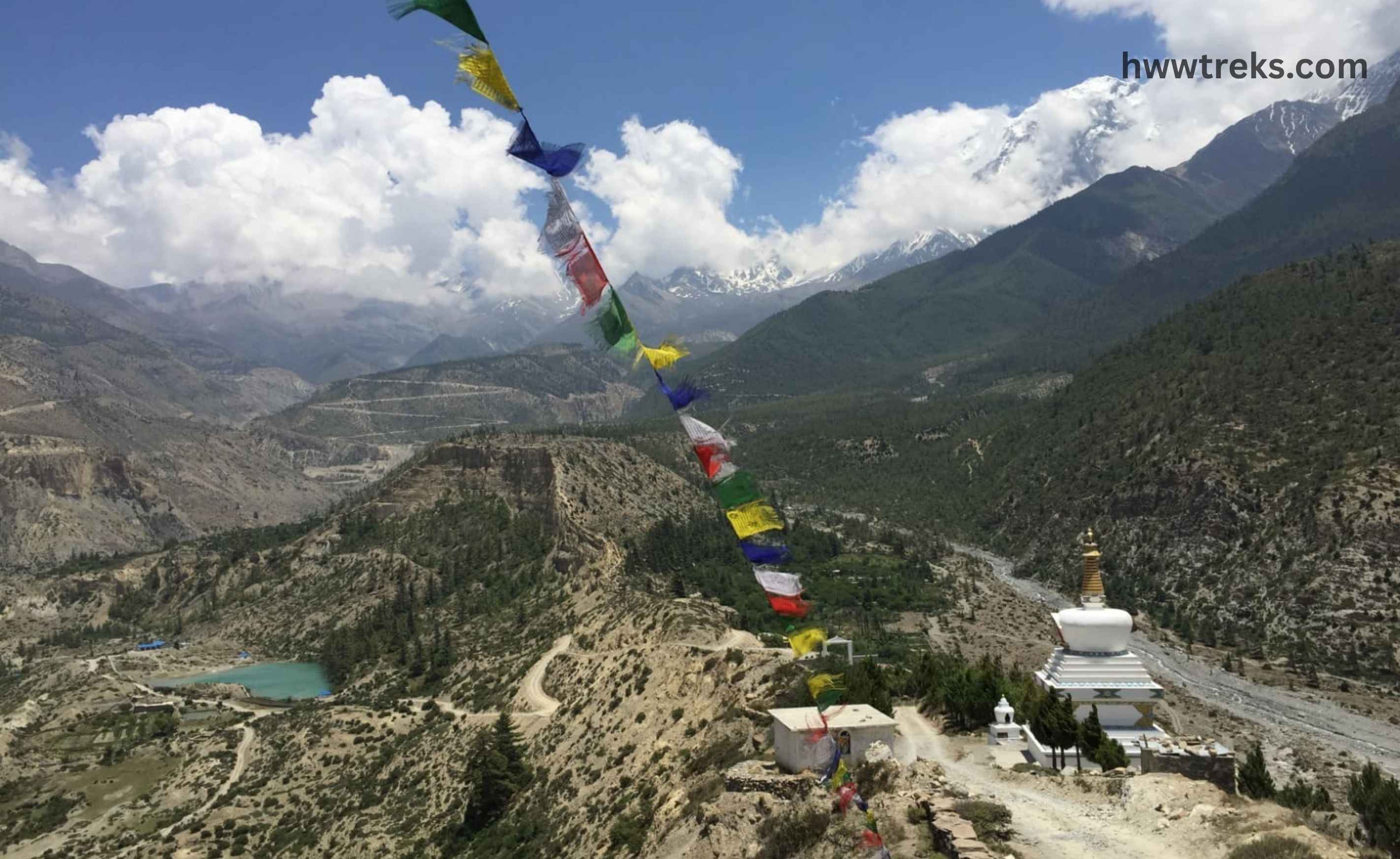 Perched in the raw, windswept landscape of Mustang, Kutsab Tergna Monastery carries a spiritual energy that stops you the moment you arrive. This sacred site is believed to hold the blessings of great Buddhist masters, making it a deeply revered destination for pilgrims seeking divine connection. The monastery's ancient walls, sacred relics, and the quiet devotion of its monks create an atmosphere that feels untouched by the modern world. Whether you come to pray, meditate, or simply sit in silence, Kutsab Tergna offers something rare: a genuine encounter with the sacred, high in the heart of the Himalayas. You will spot a holy Dumba lake on the way to the monastery. 5 treasures of Guru Rinpoche were found in Kustsab Ternga Monastery.
Lo Gyakar Gompa (Ghar Gompa)
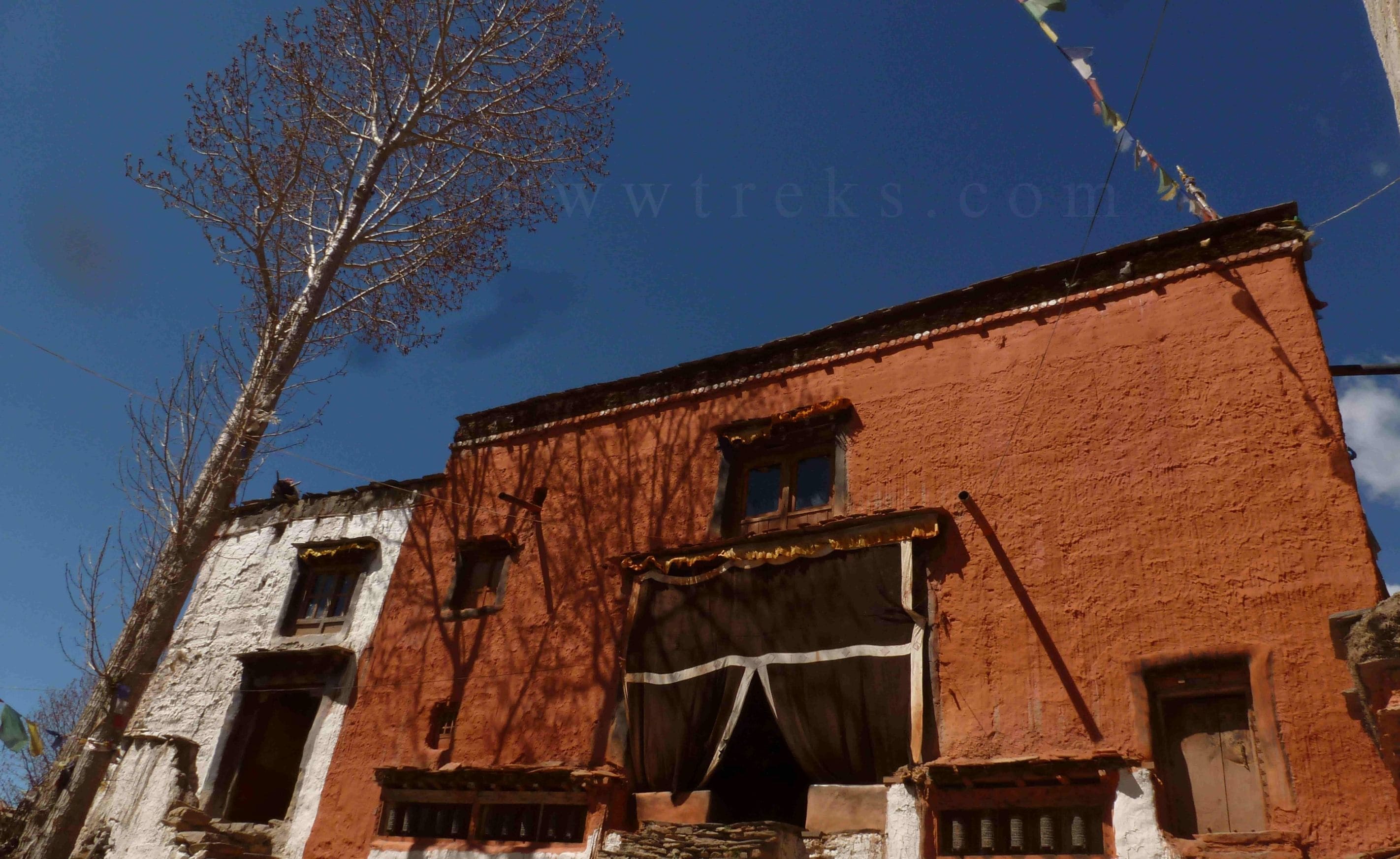 Lo Gyakar Gompa, also known as Ghar Gompa, is a revered Buddhist monastery in the Lo Ghekar Damodar Kunda Rural Municipality of Upper Mustang, near Marang village in Nepal's restricted Himalayan region. Built in the 8th century, it is often claimed to be one of the oldest monasteries in the world, having been completed even before Tibet's Samye Monastery. Tradition holds that it was founded by Guru Rinpoche (Padmasambhava) after he subdued demonic forces threatening the area, establishing the site as a powerful spiritual center on his journey to Tibet. The name "Ghar Gompa" means "house temple," reflecting its unusual architecture of small, house-like separate rooms. Perched at an altitude of nearly 3,900–3,930 meters, the monastery commands sweeping views of the surrounding arid landscape and red cliffs. Inside, ancient murals, thangkas, stone carvings, and statues of Guru Rinpoche and other deities create an atmosphere steeped in centuries of Tibetan Buddhist devotion, drawing pilgrims and trekkers alike.
Luri Gompa
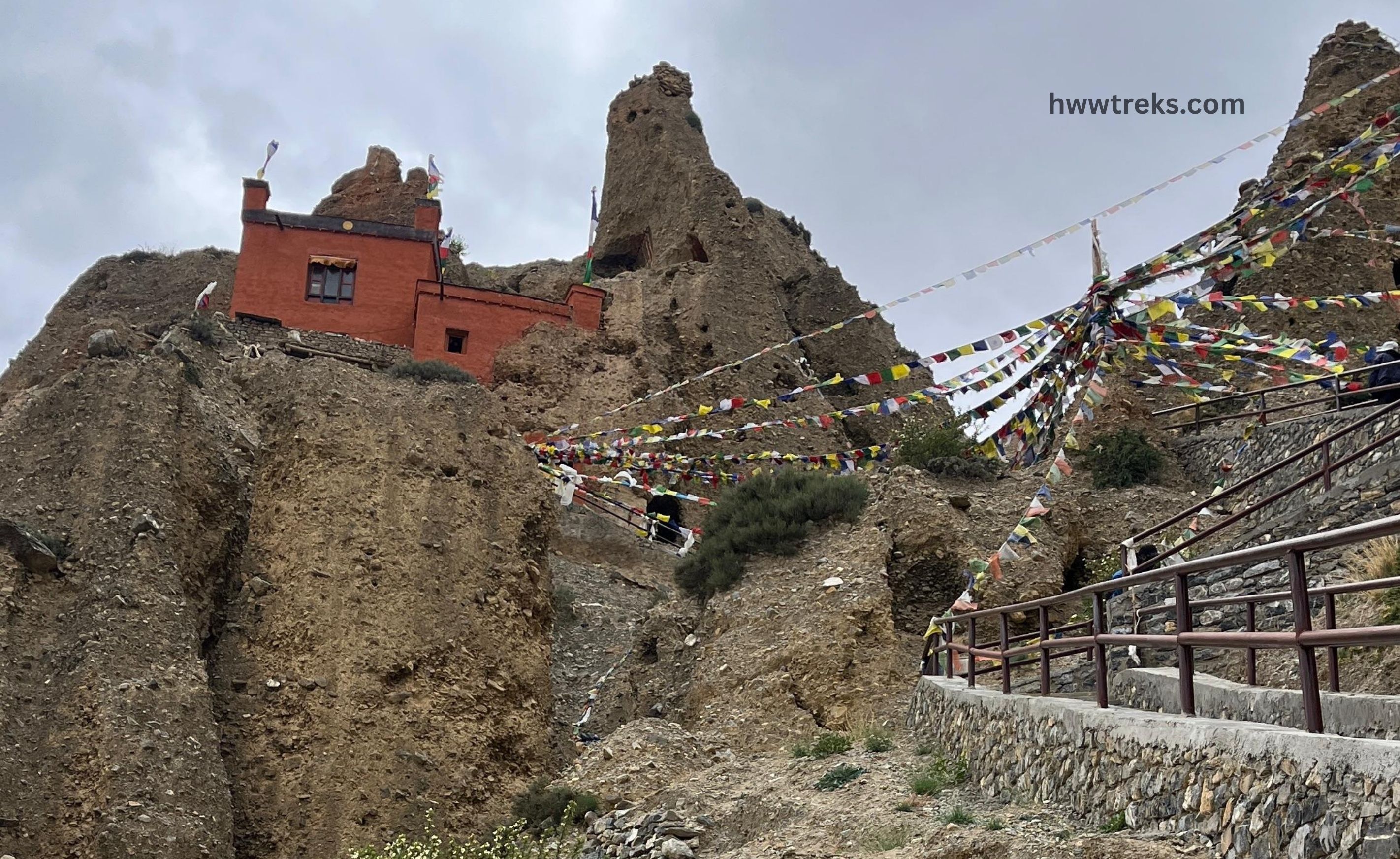 Luri Gompa is a remarkable cave monastery in the Lo Ghekar Damodar Kunda Rural Municipality of Upper Mustang, Nepal. Perched on a cliff at roughly 4,000 meters, near the villages of Yara and Ghara, the monastery is carved directly into a sandstone pillar and reached by a wooden staircase leading up to its cave chambers.
The cave complex dates back to the mid-14th century, and contains two interconnecting chambers - an outer chamber with shrines and an inner chamber holding its main treasure, mural paintings of Mahasiddhas who achieved enlightenment. It is closely tied to the Nyingma Kargyupa sect of Tibetan Buddhism.
Local legend offers two origin stories: one holds that the King of Lo built it to please his Bhutanese wife, while another credits a Yara-born monk, Kunchang Jhalu, said to have gained the power of flight through meditation inside the cave. Today, Luri Gompa remains a vital pilgrimage and cultural site along the route toward the sacred Damodar Kunda lake.
Chungsi Cave Monastery
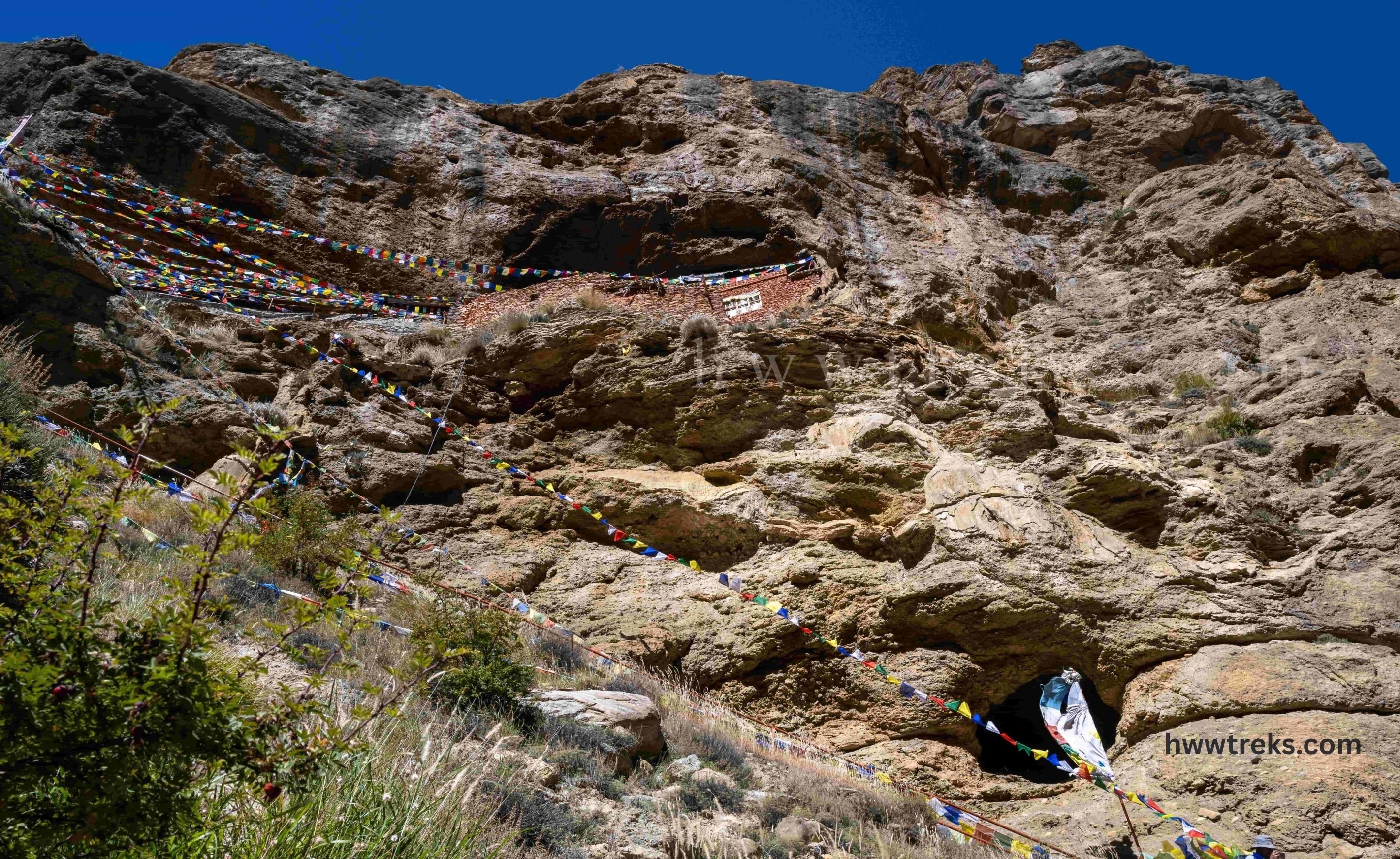 Chungsi Cave Monastery, also known as Ranchung Chungsi Cave, is a revered natural sky cave nestled in Nepal's remote Upper Mustang region, situated between the villages of Samar and Syangboche at roughly 3,500 meters elevation. Unlike the many man-made caves scattered throughout Mustang, Chungsi is a natural formation, adding to its mystique as a sacred pilgrimage site for both Hindus and Buddhists.
Legend holds that Guru Rinpoche, the revered Buddhist master also known as Padmasambhava, meditated here in the 8th century while journeying to establish the Lo Gekhar Monastery, having pursued a demon from Tibet. Hindus separately believe Lord Shiva meditated in the cave while traveling to Mount Kailash, his sacred abode.
Inside, visitors can see naturally formed figures of Tara and Avalokiteshvara, along with Guru Rinpoche's footprint and other self-arisen sacred symbols, alongside ancient chortens and statues. Over time, the cave was transformed into a monastery, becoming one of Upper Mustang's most significant spiritual and cultural heritage sites, still drawing pilgrims for meditation and worship today.
Muktinath (Chumig Gyatsa)
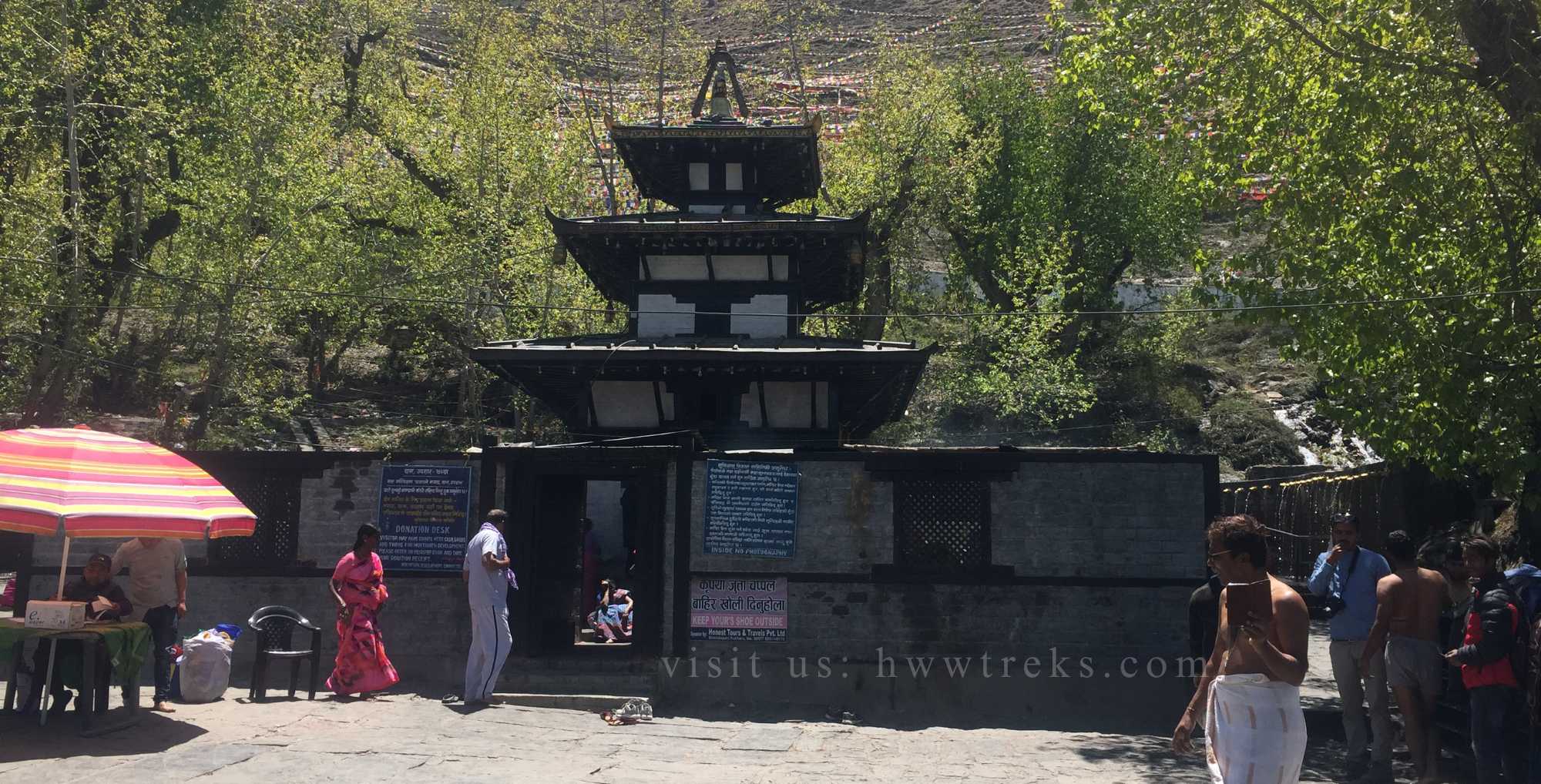 Buddhists honor Muktinath under the name Chumig Gyatsa, translating to "Hundred Sacred Waters." Situated near the base of the Thorong La pass in Mustang, Nepal, this site ranks among the 24 sacred tantric locations and holds strong ties to Guru Rinpoche (Padmasambhava), who is said to have practiced meditation there.
Why Buddhism Regards Muktinath as Holy
Purification of Spirit: The complex houses 108 frigid water spouts. Devotees undergo ceremonial washing beneath these Muktidhara channels to cleanse away psychological and spiritual defilements.
Guru Rinpoche's Grace: Recognized as a foundational tantric energy center, this region draws Vajrayana followers seeking connection. Practitioners hold that contemplation at this location fosters progress toward awakening and compassionate realization.
Symbols of Awakening: The location contains the Jwala Mai sanctuary, featuring a continuous, naturally occurring flame burning alongside flowing water. Followers interpret this occurrence as embodying the balanced union of the five fundamental elements—earth, liquid, fire, wind, and space.
Mutual Reverence: Muktinath exemplifies interfaith coexistence. Though overseen by Tibetan Buddhist clergy who maintain its upkeep, the sanctuary welcomes Hindu devotees who venerate the principal deity as the compassionate being Avalokiteśvara.
Jampa Lhakhang
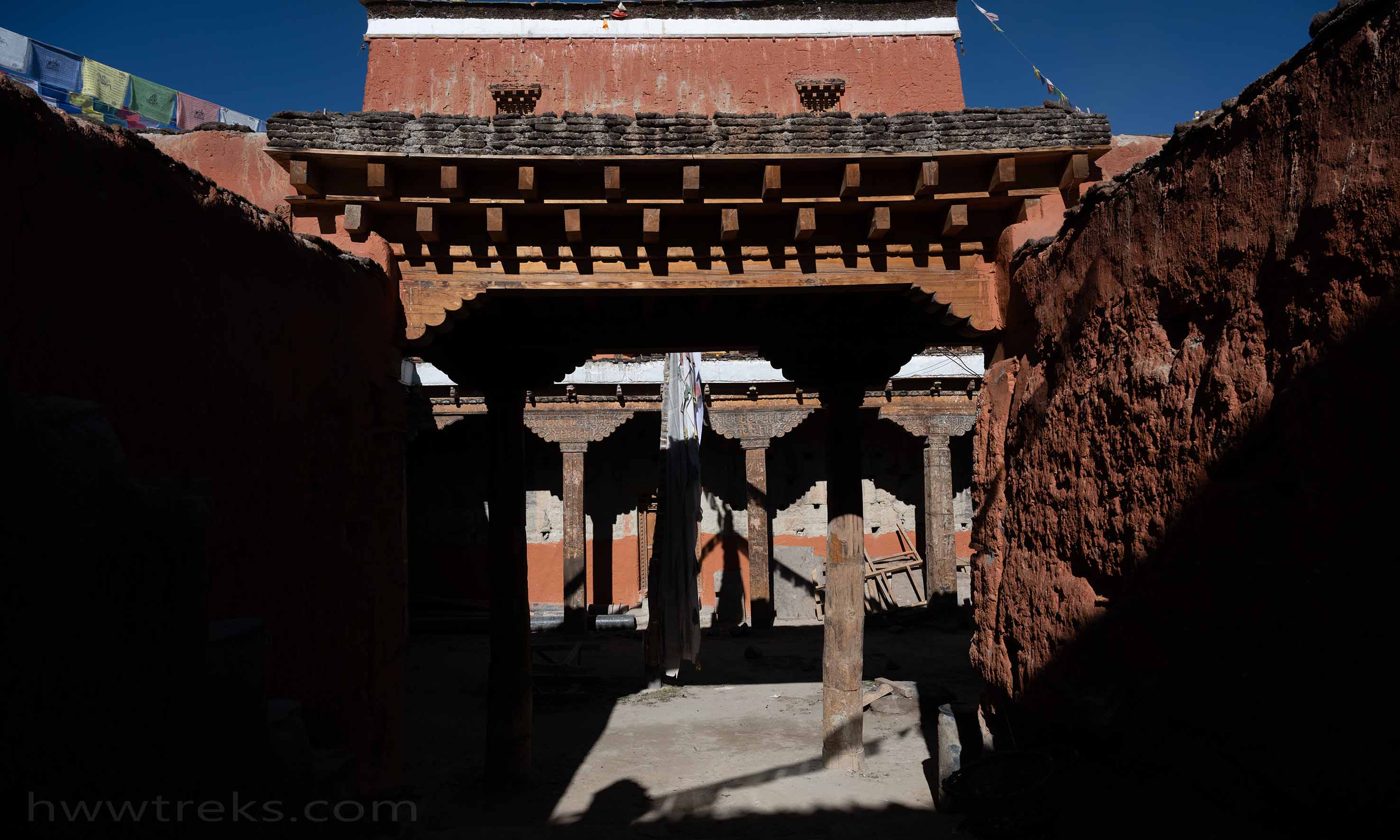 Situated inside the fortified city of Lo-Manthang, Jampa Lhakhang stands as the region's earliest Sakya monastery and ranks among the four principal religious sites in the settlement. Built in the early 1400s during the reign of King Angon Sangpo second son of Ama Pal the shrine rises three stories high, featuring elaborate carved woodwork and classic Tibetan murals. Its lime-washed exterior stands out sharply against the arid, tan terrain nearby, while the walls themselves, built from packed earth, reach an impressive 5'4" in thickness.
Inside, an enormous seated figure of Maitreya, the anticipated future Buddha symbolizing wisdom and kindness, spans both the ground and upper levels of the interior. Perched centrally within Lo-Manthang, the temple grants sweeping vistas across the Mustang region; from its terrace, visitors can survey the enclosed town, the Chhonhup valley, and the far-off peaks of Annapurna and Dhaulagiri. What distinguishes this site most, though, is its collection of 108 age-old mandalas crafted in gold and silver and studded with turquoise, coral, and precious stones each illustrating different facets of Buddhist teaching. The upper floor holds Mahayana-themed mandalas depicting Bodhisattvas, while the restricted second level contains esoteric Vajrayana imagery. The lowest floor portrays episodes from Shakyamuni's life alongside minor deities.
Thubchen Gompa
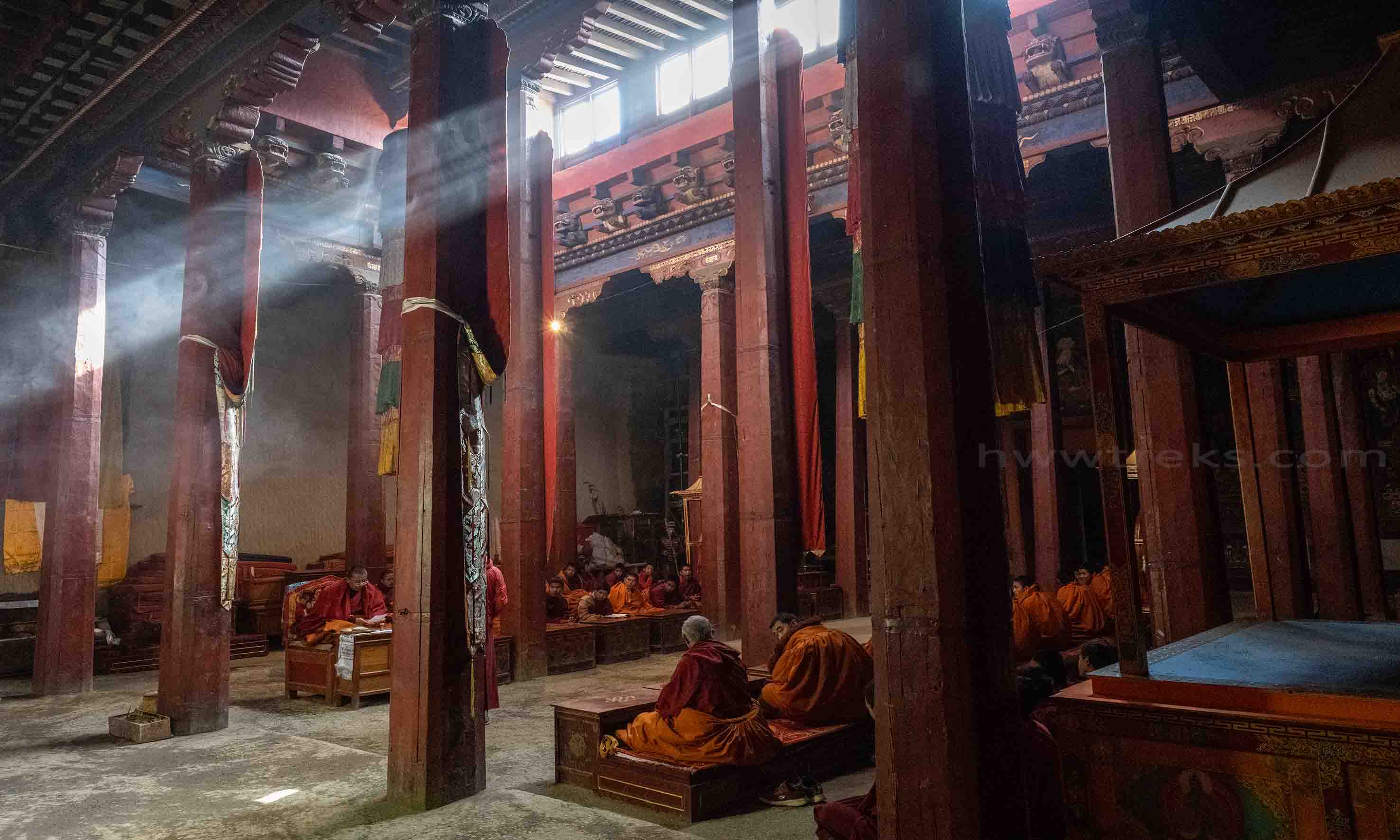 Thupchen Monastery ranks among Lo Manthang's three principal religious complexes. Built in the late fifteenth century under Tashi Gon, the third ruler of Lo, this Gompa showcases classic Tibetan design, featuring lime-coated exteriors and elaborately carved timber accents. Its interior artwork frescoes, statues, and paintings offers insight into the area's deep-rooted legacy and artistic skill.
This sacred site remains vital to sustaining local spiritual and cultural customs, hosting Buddhist ceremonies and rites. Alongside other Mustang shrines, it serves as a lively hub during the annual Tiji Festival each May, attracting devotees and travelers. Monks stage elaborate masked performances during this event, symbolizing virtue overcoming malevolence. The setting offers a perfect refuge for contemplation and tranquility.
Entering the structure, guests first encounter the Sgo-Mchog chamber, featuring four colossal figures representing guardian deities of the cardinal points, positioned atop elevated bases. The central chamber, called "Dhunkhang," contains timber columns and beams inscribed with sacred scriptures. Its surfaces display ornate depictions of enlightened beings, accented with golden, silver, and colorful hues, shown making symbolic hand gestures. Three clay figures Chenrezig, Jampayang, and Guru Rinpoche also reside here. The shrine's focal point remains the gilded copper Great Buddha, radiating calm serenity.
Chode Gompa
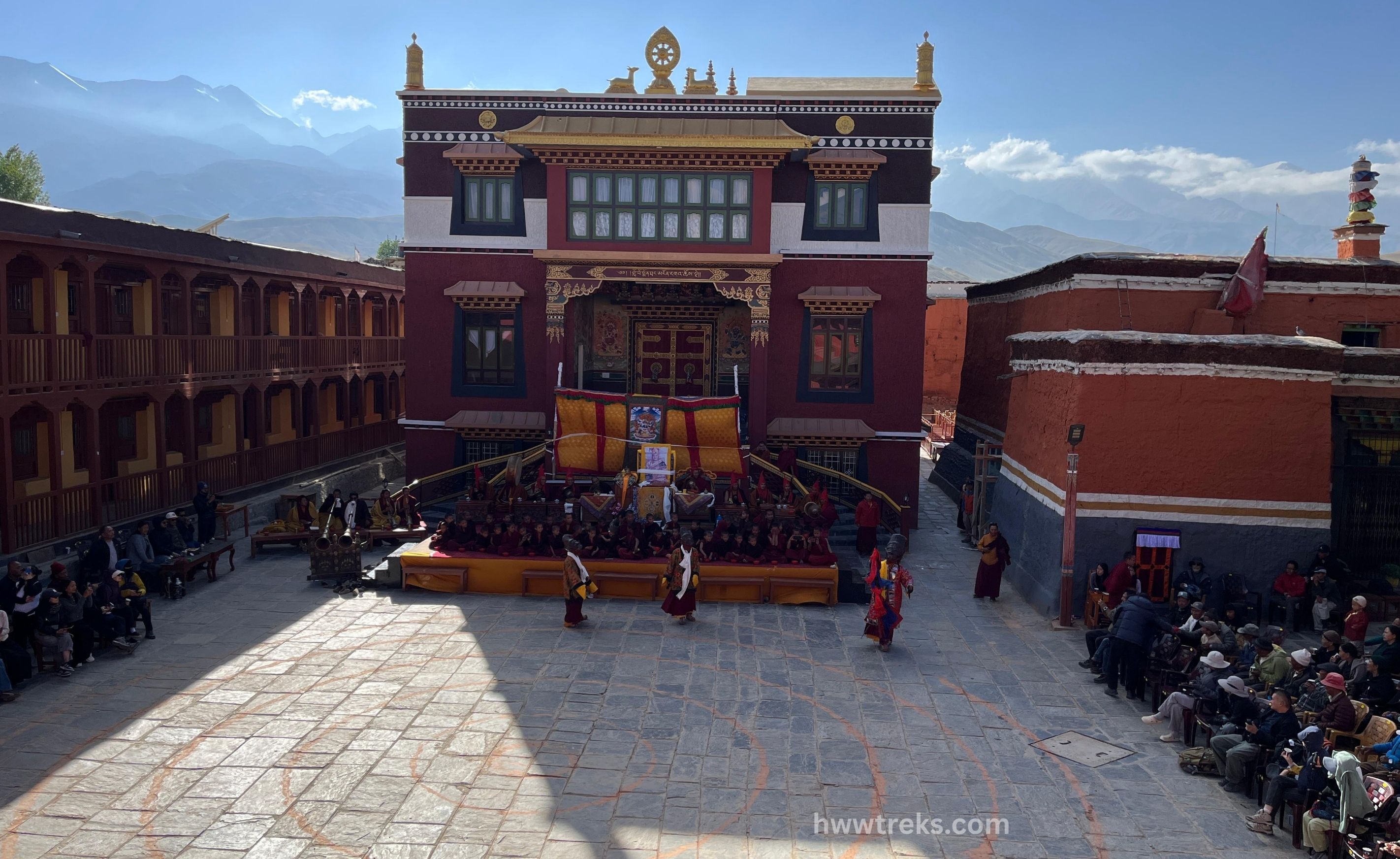 Nestled within the enchanting walled settlement of Lo Manthang, deep in Nepal's fabled Mustang region, the Chode Monastery stands as a vital hub of Tibetan Buddhism, rich in heritage and legacy. Also called Dragkar-Thegchen Ling, this gompa was founded in the late 13th century by King Ama Pal alongside renowned scholar Ngorchen Kunga Sangpo, under Lo's first ruler. It functions as the foremost Sakya institution in the area, home today to monks and revered lamas, while also serving as a hub for Buddhist scholarship and contemporary learning. A catastrophic 16th-century earthquake left the structure badly damaged, prompting relics among them Tiji festival masks to be moved to Choprang Monastery, which itself later burned in the 17th century, destroying many treasures. The rescued pieces eventually returned once the site was rebuilt inside the fortified town.
Its monks join the lively annual Tiji celebration each May, drawing pilgrims and visitors to watch elaborate masked performances. The monastery's exterior walls enhance Lo Manthang's charm, visible along the Chosar trail against stunning Himalayan backdrops offering visitors insight into monastic life there.
Namgyal Monastery (Namgyal Choedhe Thupten Dhargyeling)
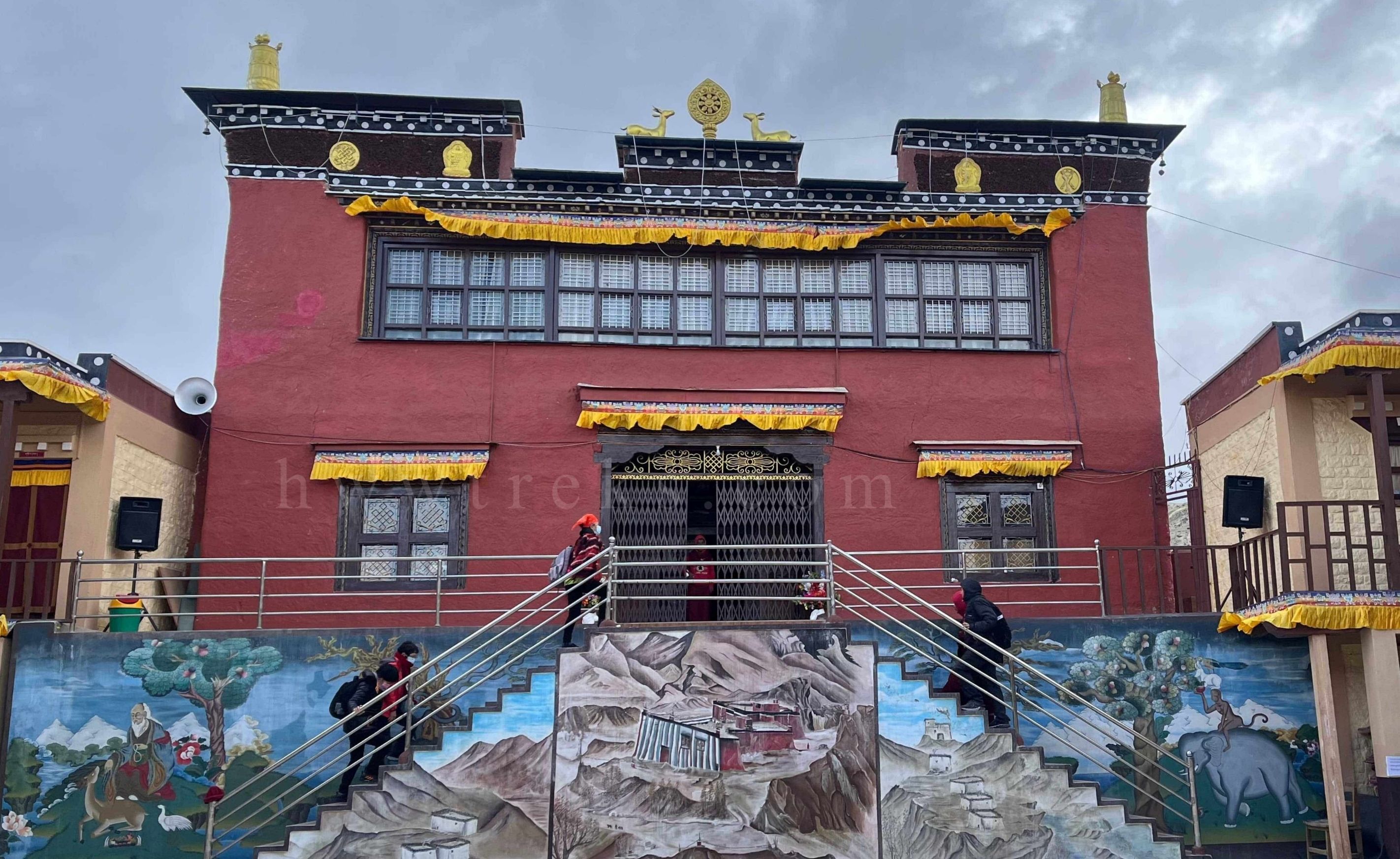 Pal Ewam Namgyal Choedhe Thupten Dhargyeling Monastery, commonly known as Namgyal Gompa, stands as one of the most historically significant monasteries in Upper Mustang, a region in Nepal's northern range bordering Tibet, situated at roughly 3,850 meters above sea level. For centuries, it has drawn devoted pilgrims who come to worship and take part in traditional Buddhist rituals.
The monastery's roots predate the arrival of the renowned master Ngorchen Kunga Sangpo, when a local ruling family controlled the site during the era of Gungthang's authority over the region. It was Ngorchen Kunga Sangpo who later transformed the modest site into a major center of learning, expanding its structures and establishing it as the seat of the Ngor tradition, eventually sheltering over a thousand monks. Despite surviving devastating earthquakes, political upheaval, and the loss of royal patronage, Namgyal Gompa has endured rebuilt and revived repeatedly by successive generations of abbots and devoted practitioners who kept its Sakya heritage alive.
Tsarang Monastery
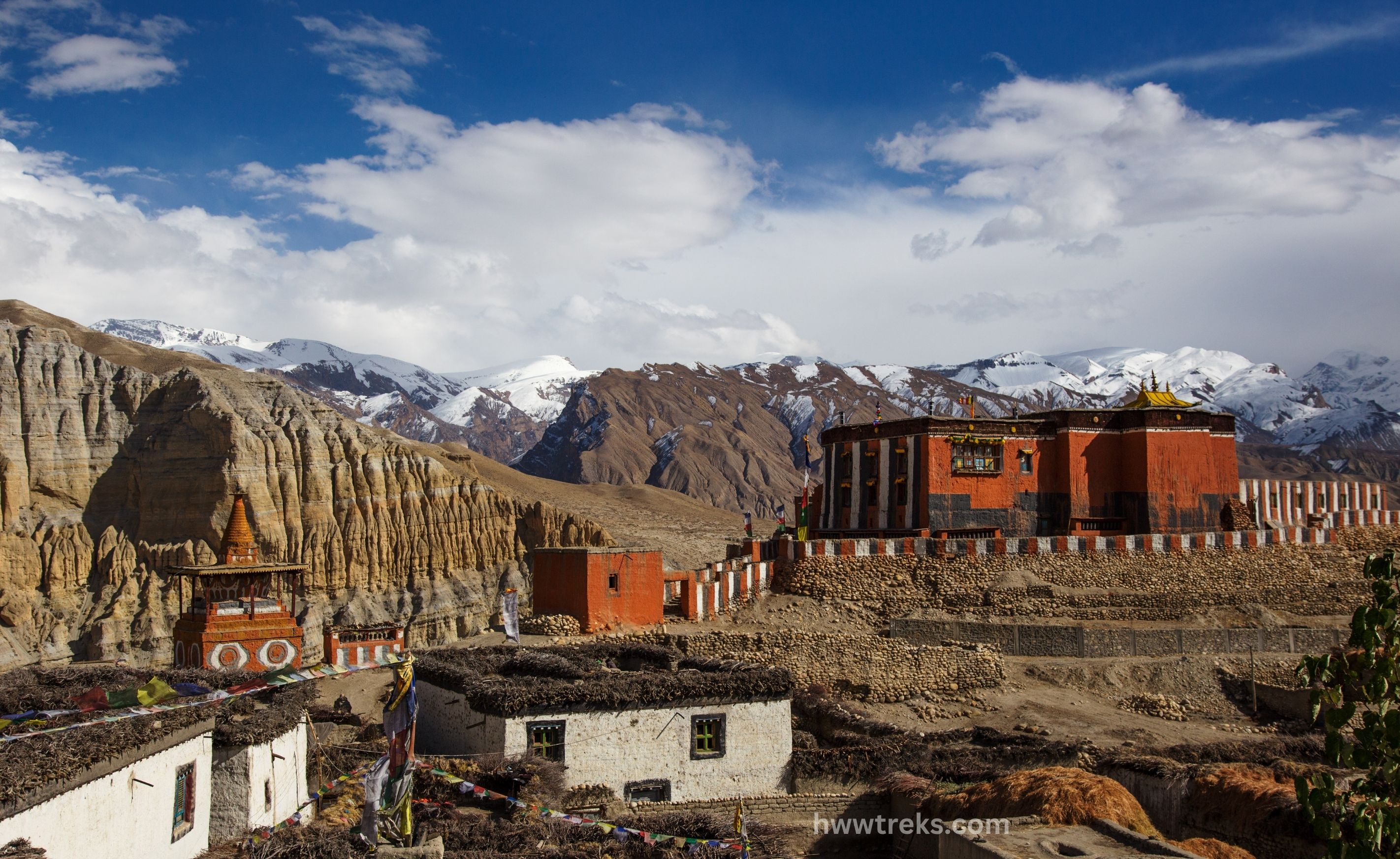 One of Mustang's oldest and most beautiful monasteries, Tsarang sits above a sweeping valley. Sacred relics, stunning murals, and breathtaking views make every visit unforgettable.
Niphu Gompa and Gharphu Gompa
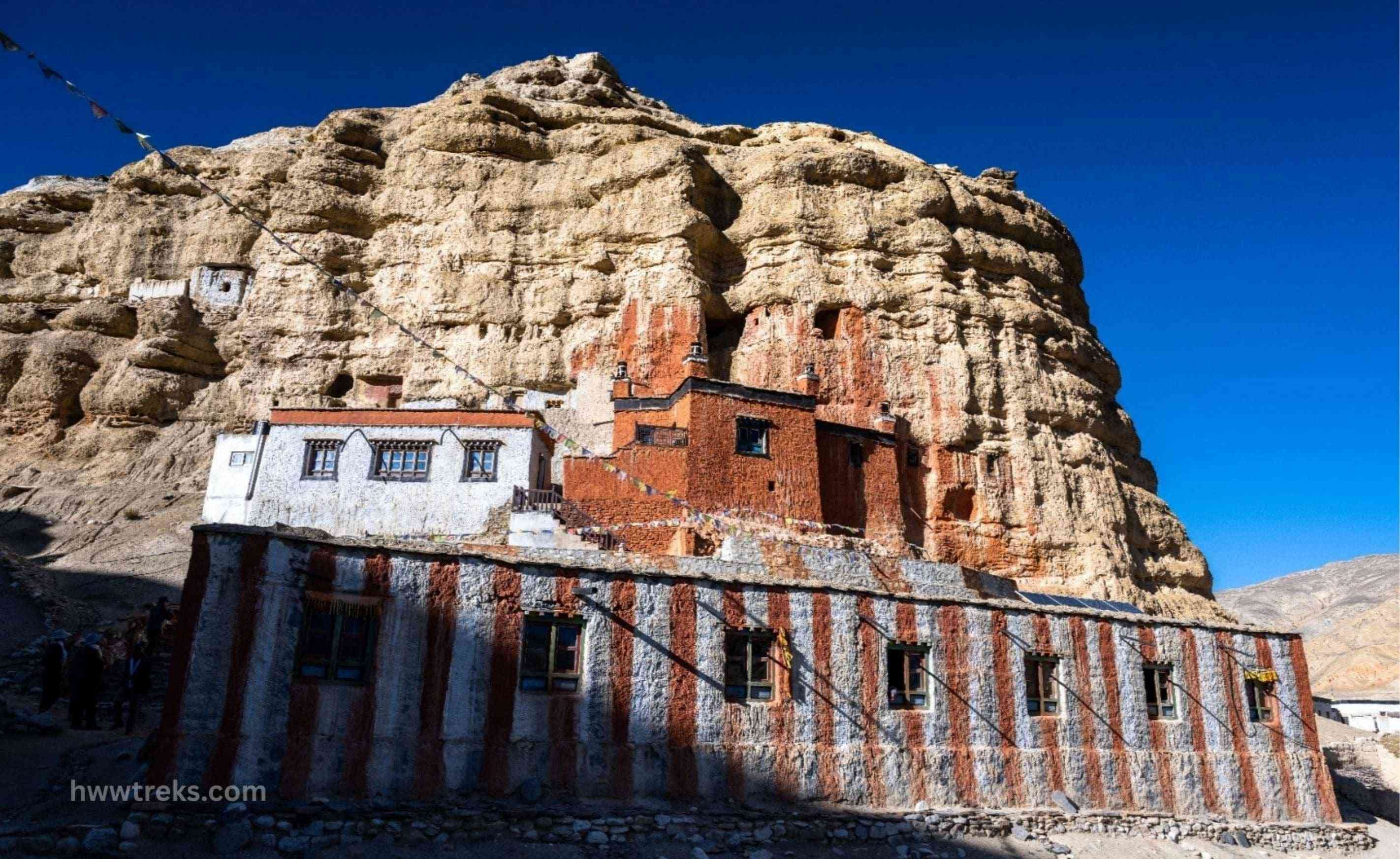 Niphu Gompa and Garphu Gompa are twin cave monasteries in Chhoser village, Upper Mustang, in Nepal's Himalayan region. Niphu is distinctive for being built directly into the cliffs of Chhoser, offering insight into the region's ancient cave-dwelling monastic culture, with meditation chambers, prayer rooms, and living quarters once used by resident monks and hermits. Niphu's fuller traditional name, Nyiphuk Namdol Norbuling Gompa, traces its founding to the 14th century. Locally, the site is also called Lo-Nifu, recognizable by its red-painted mud walls that blend into the cliff face, while nearby Garphu (Lo-Gurfu) forms part of the same cluster of ancient caves. Both sit within the broader network of Upper Mustang monasteries in the former Kingdom of Lo, a restricted region requiring a special trekking permit. Together, they remain living windows into centuries-old Tibetan Buddhist practice.
Since these are lesser-documented sites, details vary somewhat across sources let me know if you'd like me to dig deeper on any particular aspect (architecture, founding lamas, or the Chhoser caves more broadly).
Kagbeni Monastery (Kag Chode Thupten Samphel Ling)
Kag Chode Thupten Samphel Ling Monastery sits in Kagbeni, in the Mustang region of Nepal, and traces its origins to 1429, when it was founded by the Tibetan lama Tenpai Gyaltsen at the request of the local community. Once a leading center of Tibetan Buddhist learning, the monastery fell into serious decline from the early 19th century, a downturn that lasted until the late 1980s, when a few local boys were finally able to study at newly founded Sakyapa monastic institutions in India. Its revival began with the establishment of the Kag Chode Monastic School under Ven. Khen Rinpoche Tenzin Sangpo and the 41st Sakya Gongma Trichen Rinpoche, growing from just four students into a thriving institution that continues to educate young people from the Himalayan region. Today, the monastery works to remain self-sustaining while preserving Tibetan Buddhist culture and teaching for future generations, relying partly on public support to continue its mission.
Marpha Monastery (Samten Choling Gompa)
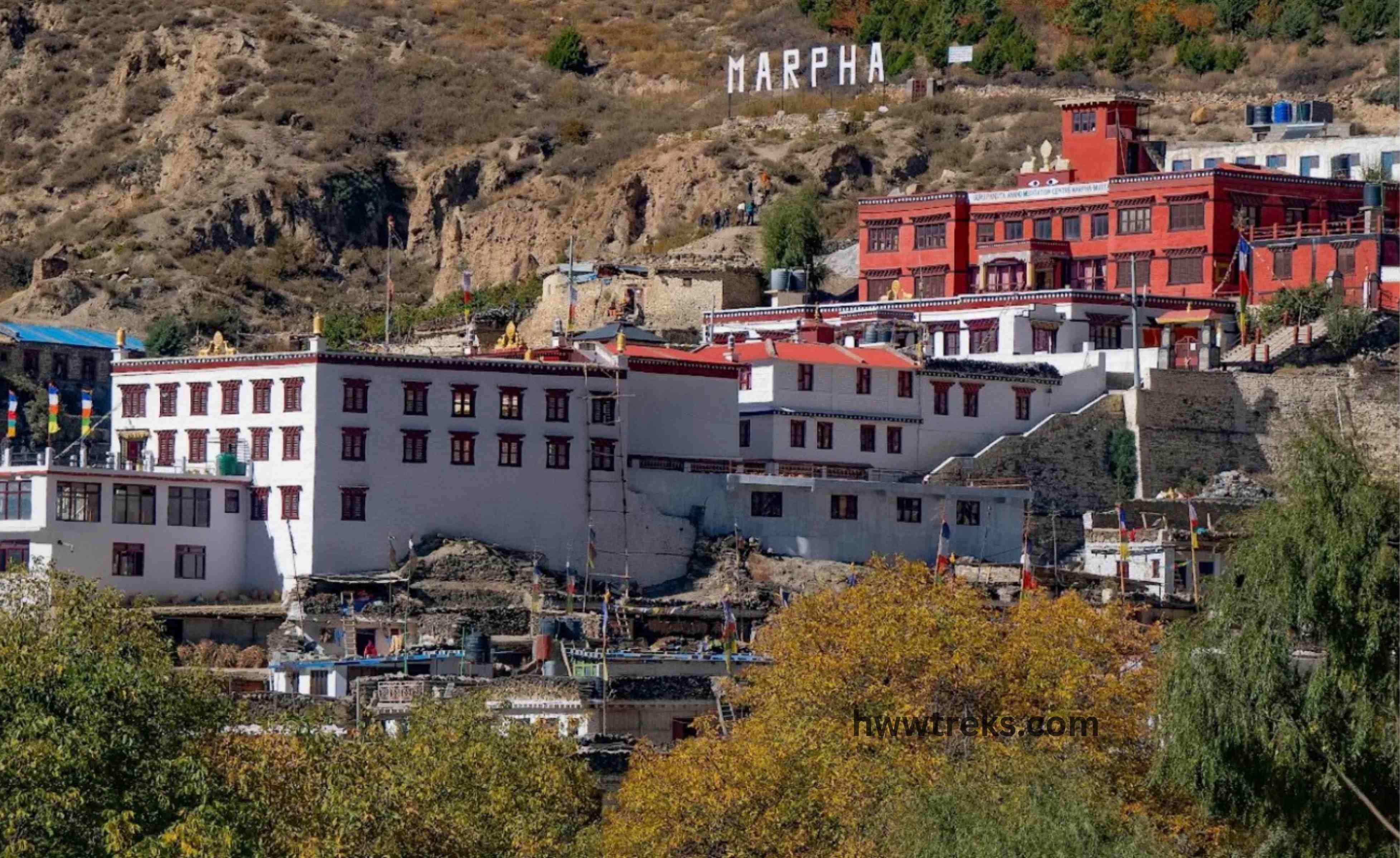 Samten Choling Gompa is a treasured Buddhist monastery nestled in the picturesque village of Marpha, Nepal. Set against the breathtaking backdrop of the Annapurna region, it stands as a peaceful haven for meditation and spiritual practice. Travelers are drawn to its calm atmosphere and the quiet, contemplative routine of the resident monks. The monastery's architecture reflects classic Tibetan design, featuring vibrant murals and finely detailed carvings. Beyond offering a window into Buddhist philosophy, it provides a serene setting for quiet reflection amid the majestic Himalayan scenery. Climbing the Monastery Kora stairs rewards visitors with the finest panoramic view of Marpha village.
Kawaguchi Ekai’s Kangyur’s Home
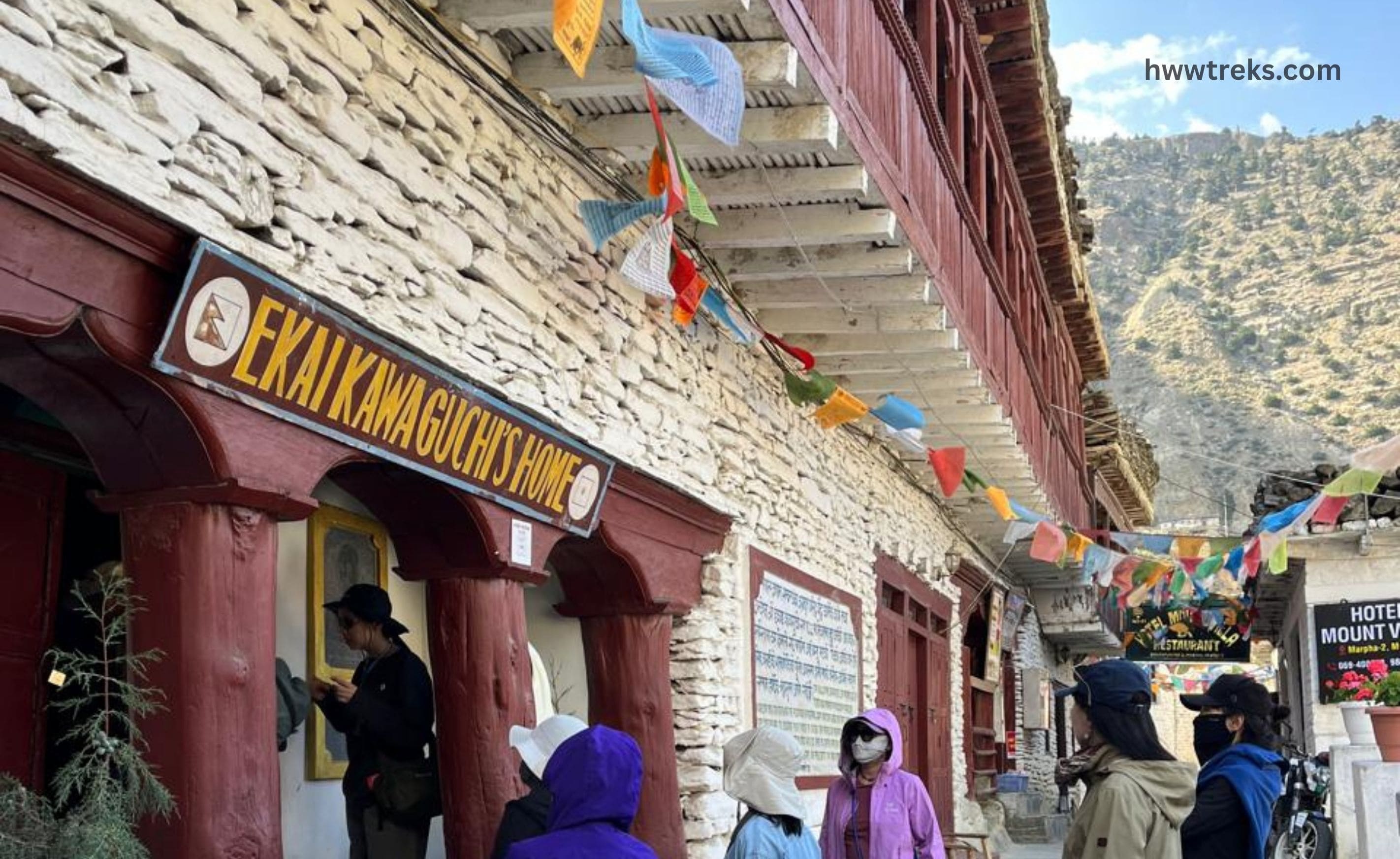 Kawaguchi Ekai’s home is in Marpha village in Lower Mustang. This residence belonged to Adam Naring, the village leader of Marpha, and it was here that Ekai Kawaguchi, a Japanese Zen monk, resided for three months in 1900 while journeying toward Tibet through Dolpo. The residence where Kawaguchi once resided has since become a museum displaying several of his belongings. During his time here, he examined the sacred scriptures of Kangyur and Tengyur within the shrine room of the building. His journey is chronicled in Scott Berry's book ‘A Stranger in Tibet’.
Conculsion
Pilgrimage in Mustang is a meaningful experience that combines faith, tradition, and natural beauty. The sacred temples, Buddhist monasteries, and cultural surroundings together create a powerful spiritual atmosphere. Whether someone visits for prayer, tradition, or personal reflection, the journey always leaves a lasting impact. Mustang is not only a destination in the Himalayas, but also a place where visitors can feel peace, devotion, and connection with their beliefs. This special region continues to attract travelers who value spirituality and authentic cultural experiences.
Frequently Asked Questions
Find answers to common questions about our services
A pilgrimage in Mustang is a spiritual journey where people visit holy temples and monasteries. It is done to seek blessings, peace, and spiritual connection.
Some main sites include Muktinath Temple, Lo Gyakar Monastery, Guru Sangphu, Chungshi Rangjung Cave Monastery, three Major Monasteries of Lo Manthang, Kutsab Ternga Monastery and monastery, Marpha monastery, and Lubra monastery.
Muktinath Temple is famous for its 108 water taps and eternal flame. Hindus believe it gives salvation (moksha), while Buddhists call it Chumig Gyatsa.
Unlike normal travel, a pilgrimage is done with faith and devotion. People travel not just to see places but to pray, meditate, and find inner peace.
The best time is spring (March–May) and autumn (September–November) when the weather is clear and suitable for travel.
Pilgrims prepare both physically and mentally. They carry warm clothes, essential items, and often follow spiritual practices like prayer and fasting.
Pilgrimage in Mustang is a journey of faith, culture, and natural beauty. It helps people feel spiritually refreshed and connected to their beliefs.
No questions found matching your search. Try different keywords or browse all questions above.