
- 30/01/2026
- Tags: North Annapurna Base Camp Trek
- Yangchen Lhamo Gurung
North Annapurna Base Camp: One of my Best Trek Ever
Being born and living in Nepal, I have seen and heard a lot of trekking stories of the Himalayas, but I had never had a chance to do an actual trek myself. People from all over the world travel to experience this adventure and the thrill of the mountain, so I decided, why not plan my own adventure this year?
While drafting my first trek, I was skeptical between two options: Langtang Valley or the North Annapurna Base Camp (North ABC). After days of surfing the web, reading blogs, and watching videos, I plumped for the North ABC trek. What fascinated me most was that the North ABC was still the least travelled path, where only a handful of trekking groups have explored the route so far. And also this trek holds something special for trekkers, i.e., during this trek you will not only reach the Annapurna Base Camp from the north side but also get to witness the stunning turquoise Panchakunda Tal (Five Holy Lake). Nonetheless, during this trek, you will get to see rivers with crystal clear water now and then, with wooden bridges decorated with colorful flags.
So on November 8, 2025 (Saturday), six of us friends packed our bags and set off on what would become an unforgettable journey into the Annapurna region.
Note: North Annapurna Base Camp is also known as the Annapurna First Base Camp.
On this page 6 sections
The Untold Story of North ABC
Before starting the trek, I wanted to conduct further research on the history and significance of the place. The North ABC route has a unique and interesting archive behind it. Unlike the popular South ABC that expects thousands of trekkers every year, the North route has only selective explorers.
Historically, this northern approach was used mainly by local herders and expedition teams preparing for Annapurna climbs from the north face. The story of the North ABC dates back 70 years, when a French mountaineer, Maurice Herzog, along with his team, approached the Annapurna from the north side. On June 3, 1950, the successful first ascent became a monumental achievement in mountaineering history, and since then, the name of North ABC has always been associated with Maurice Herzog.
Did you know?
The North ABC trail is also known as the “Annapurna First Maurice Herzog Trail”, named after a French mountaineer, who led the first successful expedition to climb Annapurna I (8,091 meters). 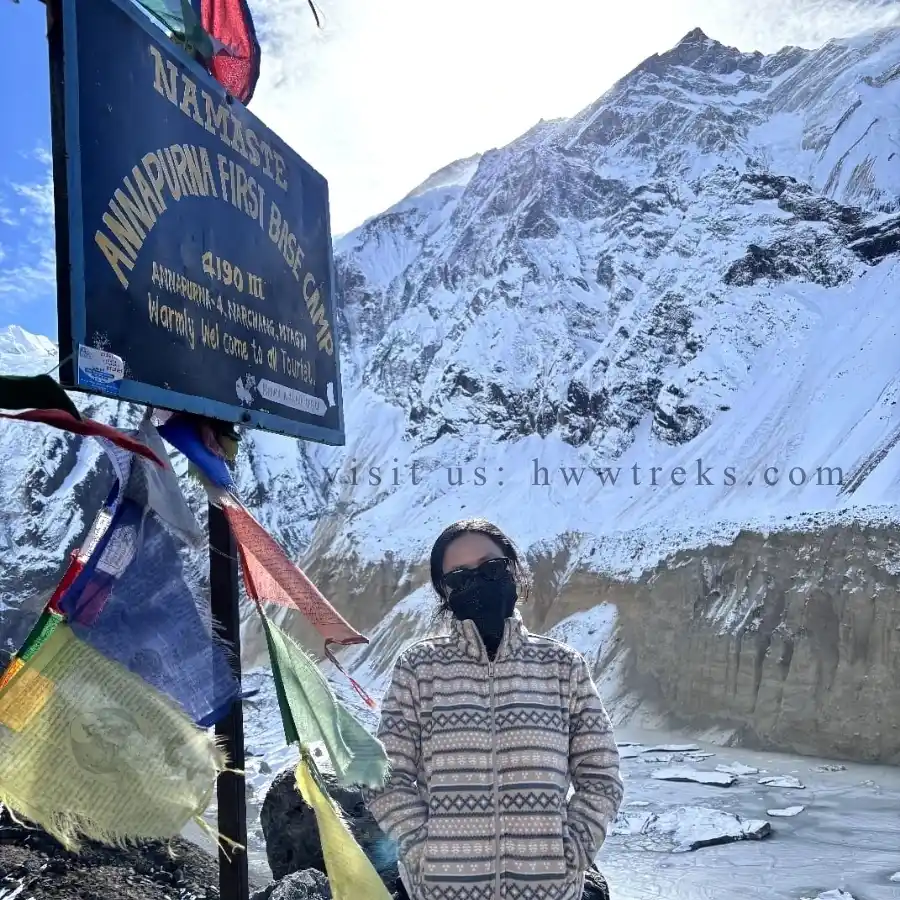
Panchakunda Tal: The Five Sacred Lakes
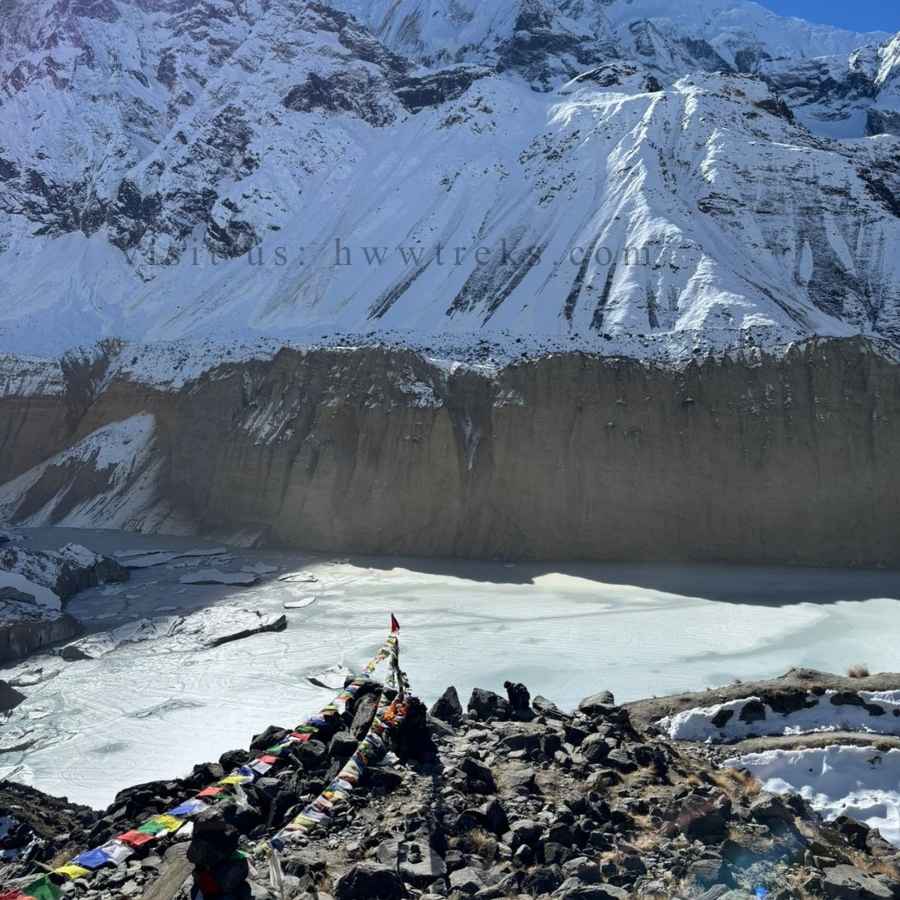
The Panchakunda Tal is one of the major attractions of the North ABC, which translates to "Five Holy Lakes" in Nepali. This glacier lake, standing among the high mountains, holds a deep religious importance for both Hindus and Buddhists. Even the Hindu mythology connects the Tal with Lord Shiva and believes it to be the bathing place of gods and goddesses. It's said that taking a dip in these holy waters can cleanse one's sins and bring spiritual merit. (But we didn’t dare to plunge ourselves into the lake water because it was bitterly cold.) During the full moon of August (Janai Purnima), some devotees make the difficult pilgrimage to these lakes to perform religious rituals. The local Gurung and Magar communities, living near the surrounding village, have worshiped the lake for generations and hold that the lake is being protected by the mountain deities, showing deep respect to the spirits of mountains.
Did you know?
In olden times, the lake was locally known as “Dikicho”, whereas the current name “Panchakunda” was used after discovering the appearance of the five ponds by an activist, Tej Bahadur Gurung.
For me, learning about this spiritual connection gives a sense of meaning to my trek, which not only involves observing the beautiful scenery but also experiencing a place that has been sacred to Nepali people for centuries.
Our Trek Itinerary
After all the planning and preparation, it was finally time to hit the trail. We kicked off our adventure by taking a night bus from Kathmandu to Tatopani. The bus departed at 6 PM from the Machha Pokhari Bus Park in Swayambhu. Throughout the night, we made several stops for toilet breaks, dinner, and tea, and then at nearly 7 am, we reached Tatopani.
Day 1: Tatopani(1200m) to Humkhola(2883m) to Gufaphant(3335m)
We started our day with black tea, egg, and bread for breakfast. And after we freshened up, our bus conductor helped us arrange a Scorpio jeep to Humkhola, which cost us Rs 1000 per person. By 8:30, we were on our way. The 2-3 hour drive was scenic and very adventurous. The driveway was very bumpy with many small waterfalls. Our driver mentioned that these falls are massive during the Spring and Autumn season, but since it's the beginning of winter, much of the source has frozen at higher altitudes.
Pro Tip: If you love big waterfalls, plan your trek during the spring season, but just be prepared for stronger water flow and possible road delays.
After driving continuously through the mountain road, we reached Humkhola. There we took a quick tea break, reorganized our backpacks, changed to warmer and more comfortable trekking clothes, and started the real walk.
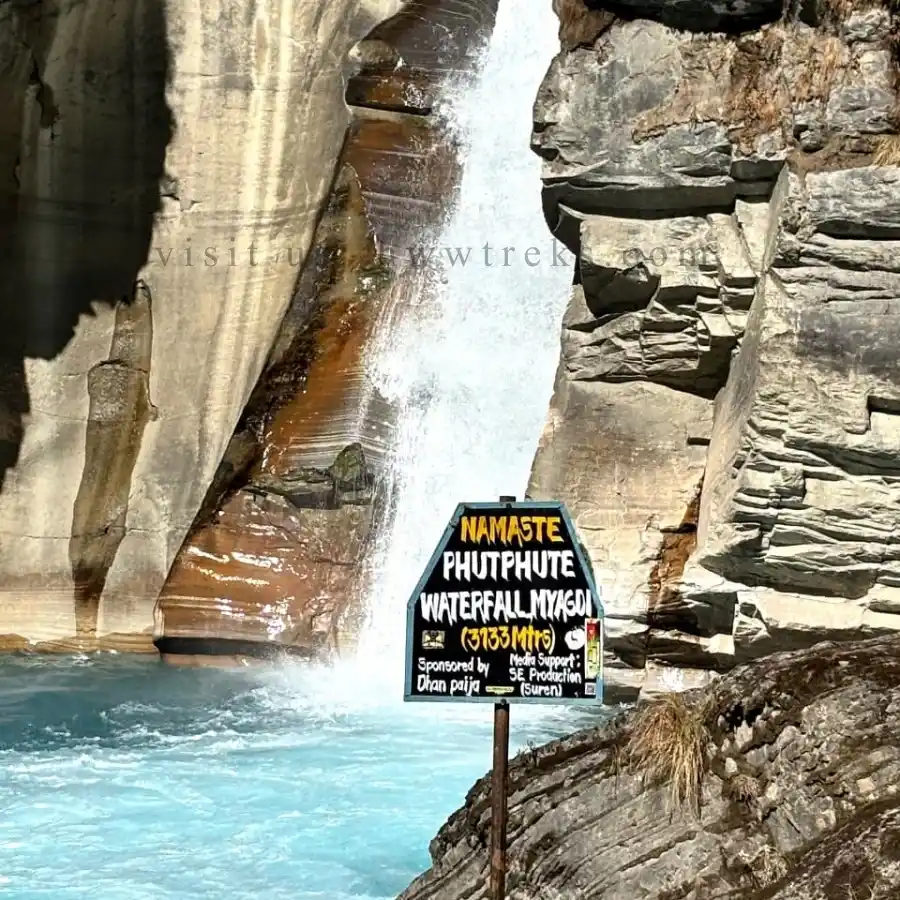
Our trek started with stairs, “the eternal enemy of every trekker”, according to me. But the scenery quickly made up for the leg burn. Alongside the route, there was a crystal clear river with the most beautiful turquoise water I’ve ever seen, surrounded by dense forest with a slight touch of autumn. After an hour and a half, we stopped at a small teahouse that serves lunch and tea to passing trekkers. While our lunch (Dal Bhat) was being cooked, we visited the famous Phutphutey (futfutey) waterfall nearby, crossing a colorful wooden bridge. This spot was definitely the highlight of the day. We spent 20-30 minutes there relaxing and clicking photos before heading for lunch.
Fed and refreshed, we continued toward Gufaphant. We reached Sandikharka after an hour of walking, a small clearing with colorful small tents, but we decided to push more. The next two hours were peaceful, river sounds, and occasional mountain views through the trees. Finally, around 4 PM, we arrived at Gufaphant, our destination for the night. We secured three tents for our group of six. As evening approached, more trekkers started arriving, and the campsite began to fill up. The night went well with a proper Nepali-style dinner (Dal Bhat).
Important Note: While travelling on this route, I highly recommend you book or reserve your accommodation in advance since the teahouses and campsites here have limited tents and accommodation services, and they fill up very quickly, especially during peak trekking season. We booked ahead and got our tent, but several groups that arrived after us had to either share spaces or trek further in the dark. Make sure to plan to avoid disappointment!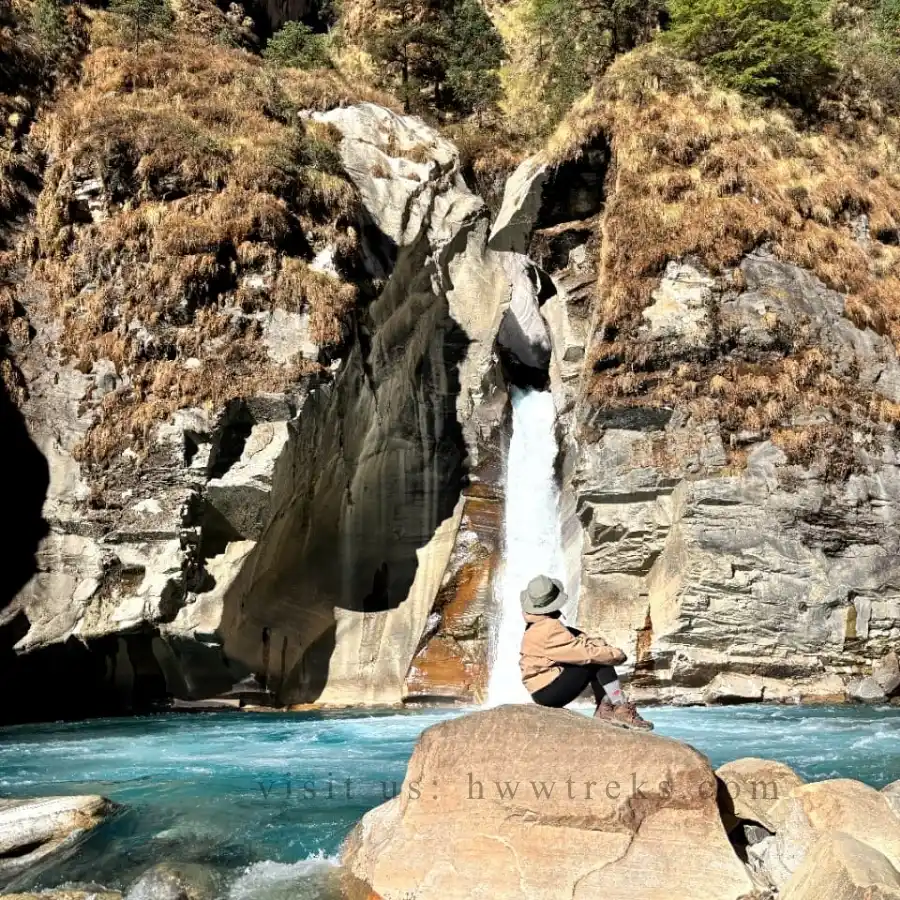
Day 2: Gufaphant(3335 m) to Bhusket Mela(3551 m)
After yesterday’s long 5-6 hour trek, we decided to slow down. Our destination was Bhusket Mela, which is supposed to be a 2-hour walk ( maybe for experienced trekkers), but we planned to take the whole day with no rush. We wanted our bodies to adjust to the altitude and get ready for tomorrow’s (Day 3) early hike.
We started our day with a proper breakfast and hit the trail around 9 AM. Everything in the mountains seems to be very beautiful and precious. Even the normal morning felt gorgeous and fresh. The trail was peaceful with very few trekkers around, and the cold wind was somehow both crisp and comforting. The sky was clear and bright blue, with the hill covered with golden autumn grass, and as we gained altitude, the forest gradually thinned out, opening up to the wider mountain views.
Since this was the first real trek for many of us, we took our time. We stopped frequently to catch our breath and to enjoy the scenery. We snacked along the way (we grabbed plenty for the trip from Kathmandu) and even made coffee and tea using the hot water we packed in Ghufaphat. Enjoying snacks and sipping tea while being surrounded by mountains is the perfect moment that makes trekking unforgettable. We reached Bhusket Mela around 1 PM. After confirming our stay and resting for a few minutes, we had our lunch and spent the afternoon exploring and chatting with locals. That evening, we had dinner, played cards, and went to bed early to rest up for tomorrow's big push.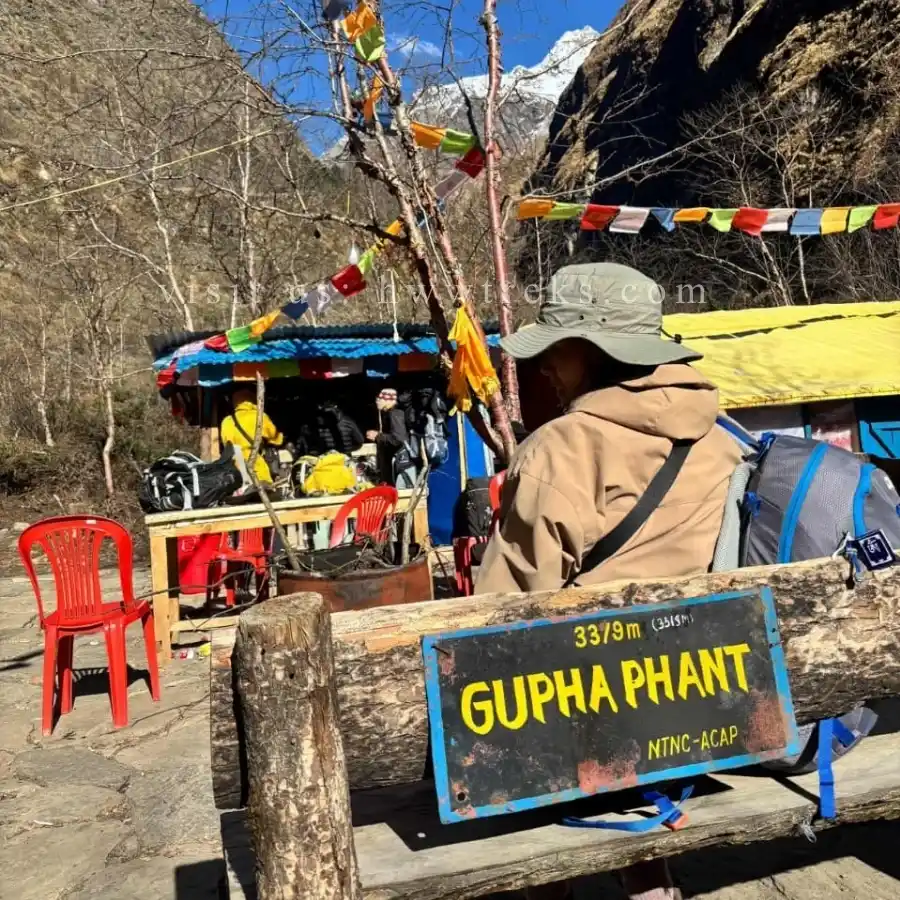
Day 3: The Final Destination: PanchaKunda Tal(4050m) and Annapurna I Base Camp(4190m)
Today is a big day for us, even though it's just a simple trek, unlike the Everest Base Camp or other peak climbing; we have been planning for this trek for weeks, and finally, we are here.
We woke up at 4:30 am, freshened up, and had some tea and eggs. After that, we started our hike at 5 am sharp. It was pitch dark in the morning, and we all were using headlight torches and mobile flash. Above us, the sky was full of stars and a bright moon lighting our way. We targeted to reach the Panchakunda Tal by 8 am. After walking for 40-45 min, we came across a place called Dharmashala, having only two aluminum-roofed houses, both locked, and no one to be seen. We continued our trek. Despite wearing the fur cap and gloves, we were still freezing. We were hit by slow and cold wind every now and then.
During the dawn darkness, we could only hear the sound of the river flowing. But when the sun slowly rose, we were stunned by the snow-covered mountains all around us. Mount Annapurna 1 and Tilicho Peak stood massive against the morning sky. After that, we noticed the landscape. It was all black volcanic-like stones everywhere(it was like walking on Kalapathar but not the one of the Everest Region, though). There were very few grasses, and all of them were dry and brown. In some spots, the paths were covered with ice and were slippery. That's why it is highly suggested to have good trekking boots and carry headlights or walk during proper daylight. After nearly two hours of steady climbing and frequent rest breaks, we reached Panchakunda Tal around 8:15 AM. There was also a tented accommodation facility, but we were glad to stay at Bhusket Mela because the night was very cold there, and we couldn’t imagine how cold it must get here.
From the Tal, it is a maximum of 30 minutes' hike to the Annapurna I Base Camp. We spent four hours clicking photos, exploring around the Tal, which was frozen rock. From the top of the base camp, you will get the best close-up view of the mountains and the whole panoramic view of the Pancha Kunda Tal. Many trekkers get tired and stop at Panchakunda, avoiding hiking to the Base Camp, but the real view is up there. So next time when you travel there, don't miss the base camp hike.
After we finished with pictures and videos, we rested for a coffee and cookie break. There we even spotted a light brown, bigger than a mouse yet smaller than a rabbit, animal (probably might be a mountain mouse) which was hopping and running around in search of grass among the pebbles and rocks. When all was done, we traced back our trail to Bhusket Mela, had our lunch, and packed our bags. Around 1 pm, we started to descend and reached Tatopani by dusk. There we soaked in the natural hot spring, honestly, one of the best decisions ever. After a day of trekking, the hot water will wash away all your tiredness, and I recommend ending your trek this way.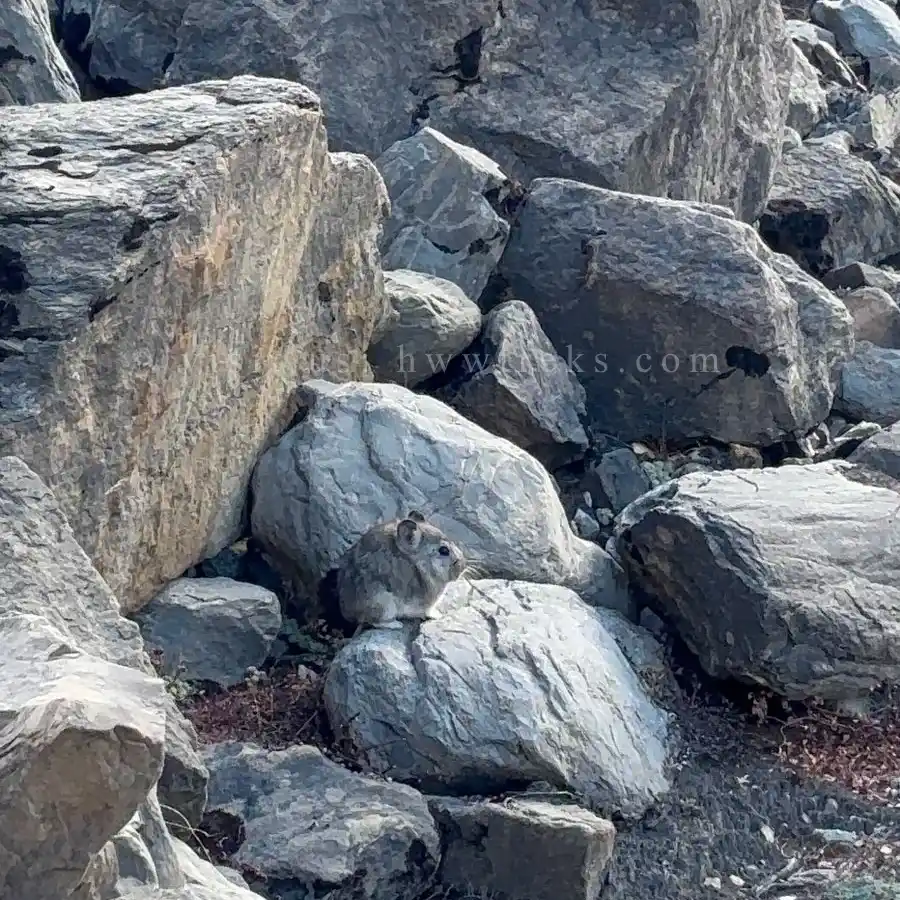
The next morning, we caught the bus back to Pokhara, and there we went to Manungkot, “A Valley Above the Cloud”. And after spending a night in Manungkot, we traced back to Kathmandu.
Recommendation: While planning for a trek, always have adequate time so that you can enjoy the view and your body can also adjust to the environment and work accordingly. I've seen many trekkers try to complete the trek in just a single night by taking a jeep directly from Tatopani (1,200m) to Humkhola (2,883m), then pushing on to Bhusket Mela (3,551m) the same day. That's a massive altitude gain in a single day, and several people were suffering badly from headaches and vomiting because of it. Some couldn't even continue and had to rest at Bhusket Mela.
So be wise, travel safely, do not hurry, and make sure to enjoy the view and acclimatize your body.
Total Costing of the trek
One of the most concerning things about trekking and travelling is the budget. “How much to carry ?” and “How much will it cost?” are the major common question that always pops up in our minds while we are planning and managing our own trek. So let me break down our actual expenses to give you a realistic idea based on our North ABC trek itinerary.
All prices listed below are per person.
Cost Break Down
- Night Local Bus from Kathmandu to Tatopani cost USD 15- USD 20 (Regular/AC sofa bus)
- Per Day cost USD 25-USD 35 which includes Sharing Basic accomodation, Breakfast, Lunch and Dinner.
- Porter cost USD 20 - USD 25 Per Day
- Annapurna Conservation Permit Cost USD 22 per person.
>>Do not take the above-mentioned prices as fixed and constant, as those may change next time when you travel.
My recommendation: You can carry between NPR 15,000 to 20,000 per person for personal expenses if you're traveling in a group. This will be enough to cover transportation, accommodation, and meals for the entire North Annapurna Base Camp trek, plus some buffer for unexpected expenses along the trek. If you are doing solo travel, then the budget might get slightly higher as you won’t be splitting transportation and accommodation costs. Remember to carry cash; most places don't accept digital payments.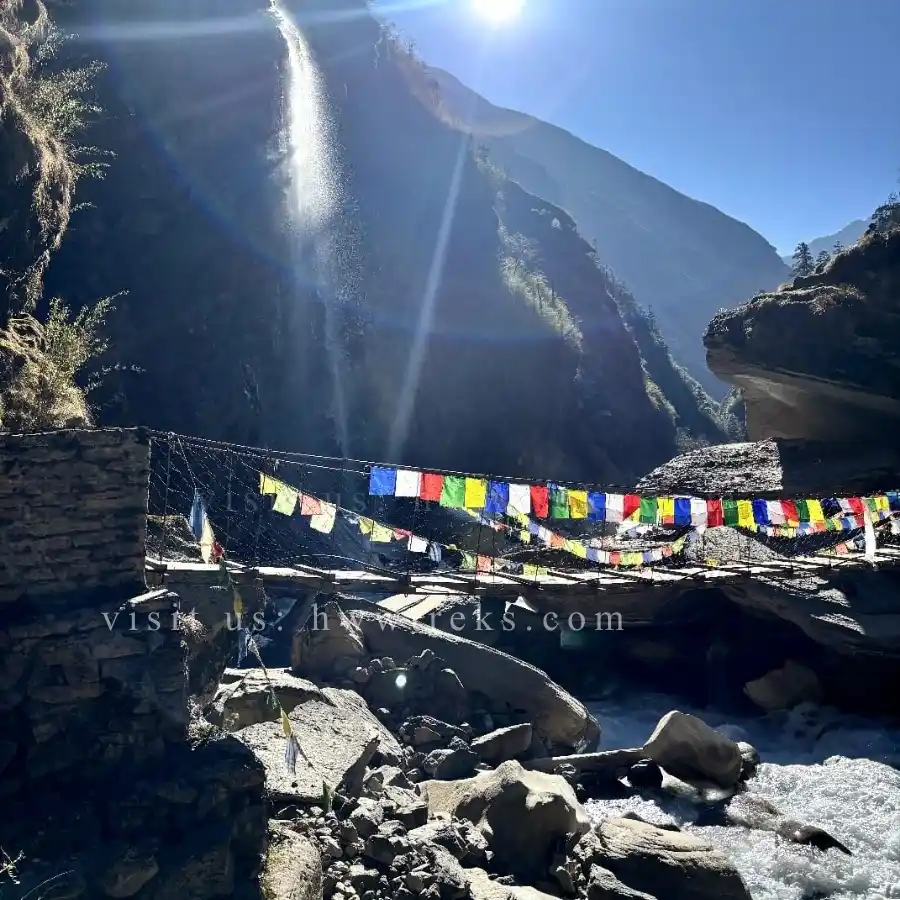
Things to have in backpack
During the trek, I have noticed that there are very limited shops for your snack purchases and even there are very fewer human settlements. So in your backpack, these things are a must to have.
Food & Hydration:
- Snacks - Pack plenty of energy bars, nuts, dried fruits, chocolates, and biscuits. Trust me, you'll need the energy boost between meals, and there's nowhere to buy them on the trail.
- Water bottles - Carry at least a liter bottle. Staying hydrated at high altitude is crucial.
- Water purification tablets or filters - While the water from mountain streams at high altitude is generally considered to be clean and safe, I'd still recommend carrying purification tablets or a filter for extra safety and peace of mind, especially if you have a sensitive stomach. Although this is optional.
- Electrolyte powder or Diamox(acetazolamide)- Electrolyte powder keeps you hydrated and helps maintain energy levels. Diamox is specifically for preventing altitude sickness; it helps your body acclimate better. I saw this firsthand at Bhusket Mela, where several people experienced headaches and nausea. So these medications will be a lifesaver for you during the trek.
Clothing (Especially for August to February):
- Warm layers - While trekking, the noon might be quite warm, but you need to have multiple thermal layers, fleece jackets, and a down jacket for the night and early morning since they get extremely cold, especially at higher elevations.
- Windcheater/windproof jacket - The wind is very brutal in the mountains. A good quality windproof and waterproof jacket is non-negotiable.
- Extra pairs of socks - You will walk more than 5-6 hours a day, so your feet will thank you if you change into a new pair of socks at the end of the day. Therefore, pack 3-4 pairs of socks.
- Gloves and a warm hat - Your hands and head lose heat fastest, so keep them covered.
- Sleeping bag - This is really important! We stayed in tents during the trek, and the nights were cold. If you can manage to carry a good-quality sleeping bag rated for sub-zero temperatures, definitely bring it. Some teahouses might provide blankets, but they're often not warm enough.
Other Essentials include a headlamp or flashlight for night and early morning start, sunscreen and lip balm with high SPF, sunglasses for UV protection, and trekking poles (if needed). And most importantly, always keep your Garbage bags and then dispose of them when you find a suitable place. Let's keep the mountains clean!
My personal advice: Always carry a fully loaded Power bank for long trips to the mountains. During our stay in camps, there was very limited electricity, and even at some rest points, they imposed an extra fee for charging the devices. Gladly, I had my power bank with me.
Looking back, I'm pleased that I packed well. The key is finding the balance between having everything you need and not overloading your backpack. Remember, you'll be carrying this for several days at high altitude, so pack smart and pack light, yet keep the things that you will need the most. Read more about checklist gear for trekking in Nepal.
Conclusion
While looking back to my first North ABC trek, it was truly amazing and met every expectation that I have been holding for a trekking to be. From this trek, I learned that adventure doesn’t always mean choosing the most demanded route or spending heavily on mountains and peaks. The Maurice Herzog footsteps were truly worth every penny and gave us everything, including stunning snow-capped mountains, traditional wooden bridges, crystal clear waterfalls and rivers, and many more, without the mess of a crowd.
If you are someone like me who’s been putting off trekking or looking for a path to begin your trekking journey, then the North Annapurna Base Camp trek is absolutely rewarding and justifiable. Just remember to plan well, acclimatize properly, pack smart, and most importantly, take your time to soak it all in.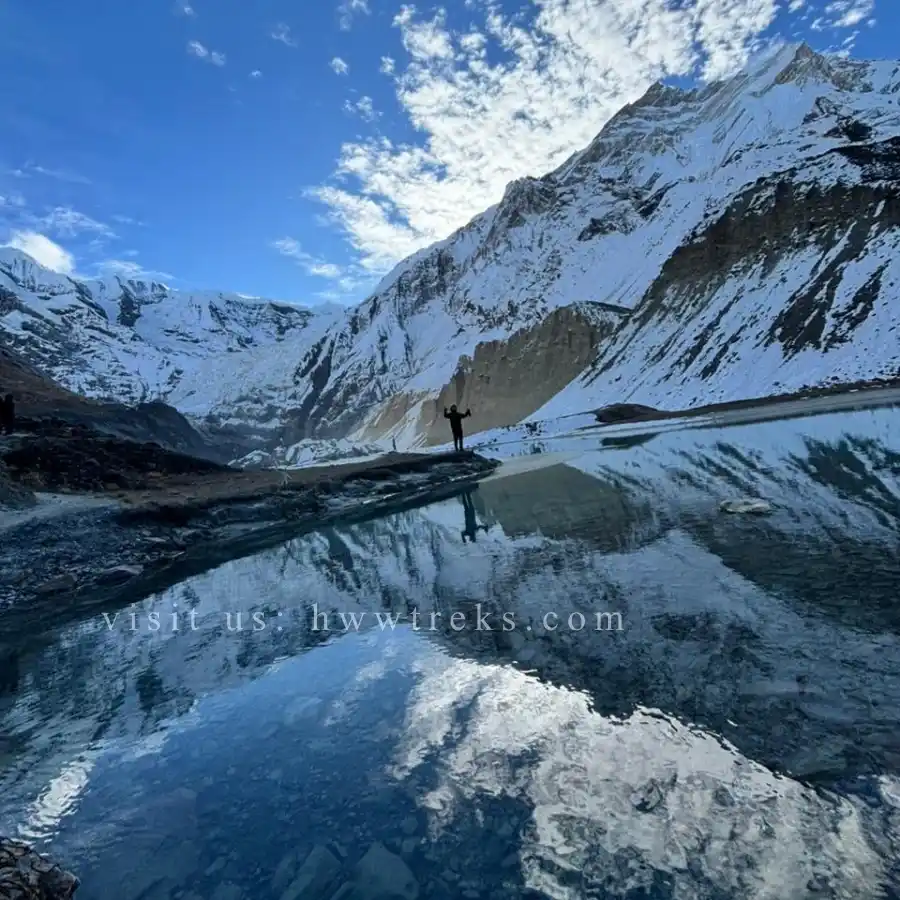
For booking details or more information about the Nort ABC trek, contact us.
Frequently Asked Questions
Find answers to common questions about our services
Yes, you can do a solo trek to North Annapurna Base Camp, as the trails are well-marked and there are regular teahouses along the trail. However, you have to be careful with the weather conditions, altitude sickness symptoms, and trail navigation.
Yes, hiring a guide is highly recommended for foreign trekkers as they provide you with valuable knowledge about the trail, along with the management of the accommodation and food. The guide will ensure the safety precautions and can also assist during the care of emergencies.
For foreigners, you need to have the Annapurna Conservation Area Permit (ACAP). This can be obtained in Kathmandu or Pokhara through registered trekking agencies or tourism boards. Whereas the local Nepali people do not require any permit.
The best time for the North Annapurna Base Camp Trek is during spring (March-May) and autumn (September-November). These seasons offer clear skies, stable weather, and excellent mountain views. Winter treks are possible but colder, while the monsoon season (June-August) brings heavy rain and cloudy conditions.
The North Annapurna Base Camp Trek is considered to be moderate to difficult, depending on your fitness level and trekking experience. It involves multiple stairs along the trail with steep ascent, high altitude lake. Good physical fitness, proper acclimatization, and mental preparation are essential for a successful trek.
Along the North Annapurna Base Camp, only tents are the accommodation option till now, offering a basic bed and blanket. You need to share the bathrooms, and the wifi and network options are very scarce to nonexistent.
Yes, altitude sickness can occur as you ascend above 3,000 meters. Symptoms include headache, nausea, dizziness, and fatigue. Proper acclimatization, staying hydrated, and ascending gradually are crucial. If symptoms worsen, descend immediately and seek medical help.
No questions found matching your search. Try different keywords or browse all questions above.

Hello. Ask me about our treks — itineraries, seasons, difficulty, permits or what is included.