
- 30/11/2025
- Tags: Trekking in Nepal
- Yangchen Lhamo Gurung
Manungkot: A Village Above the Cloud
Manungkot is a small village located in the scenic hills of Damauli, Tanahu District in western Nepal. Approximately 160 kilometers west of Kathmandu, this village has recently emerged as one of Nepal's most beautiful and hidden hilltop destinations that sits above the clouds. Local people of this valley mostly rely on farming and animal husbandry, whereas some are engaged in the tourism business by opening hotels and guesthouses. Life moved slowly here, away from the chaos of urban centers.
Not until recent years has Manungkot caught the attention of the traveller and adventure seekers. Along with the construction of the view tower and basic tourism infrastructure, the sleepy villages have turned into a longed-for destination. Here is my experience of the most famous sunrise point, “ The Manungkot”.
On this page 7 sections
Why Manungkot?
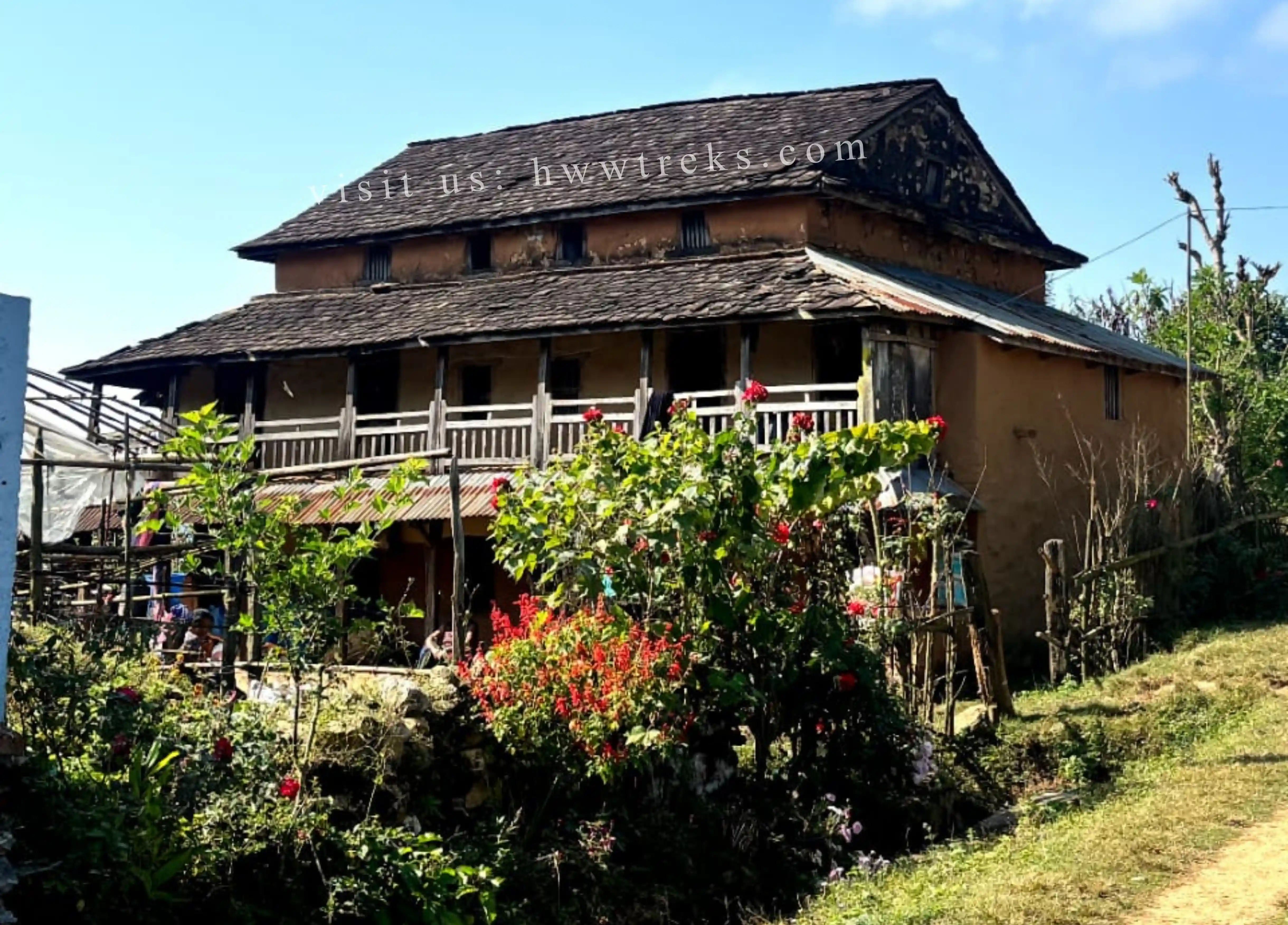 Manungkot has been on my travel wishlist for months. Whenever I scrolled through social media, I have been seeing the breathtaking sunrise with the endless sea of clouds, which fascinated me. However, being 160 kilometers from Kathmandu, I knew that just travelling to Manungkot alone wouldn’t be a good choice. So, finally, in November 2025, when my friend and I completed the North Annapurna Base Camp trek, we planned to add Manung Kot as a side trip. Instead of heading straight back to Kathmandu from Pokhara, we decided to swing our journey to Manungkot for a night stay, after all, it’s just an hour and a half away from Pokhara. Too close to miss.
Getting to Manungkot from Pokhara
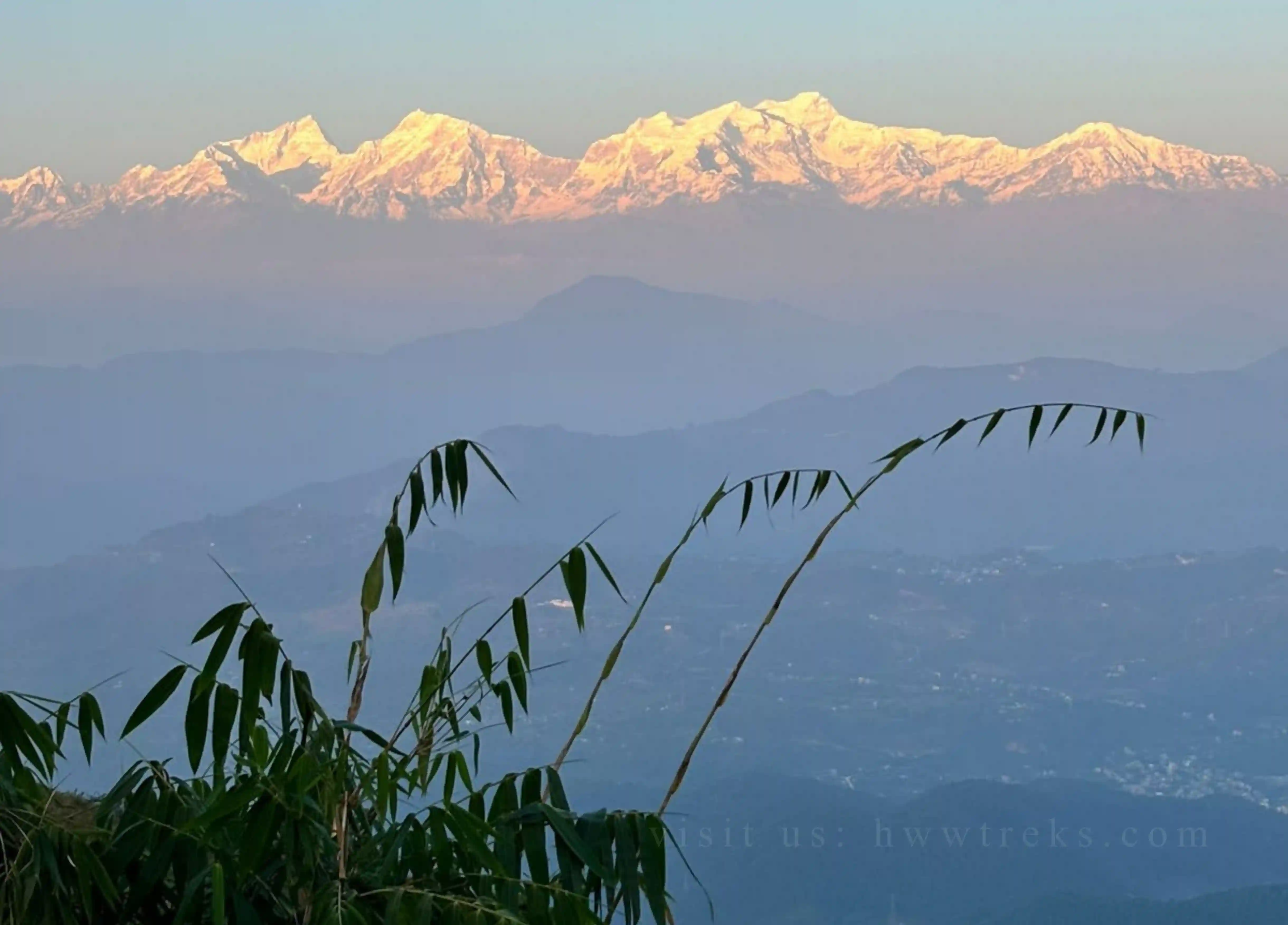
At around 2 pm, we took a local bus from Prithivi Chowk in Pokhara and headed toward Damauli, which cost us Rs 200 per person. The ride was comfortable, and for about 15 minutes before reaching Damauli, we spotted a signboard indicating the turn-off for Manungkot. This was our stop. We had heard that finding local transportation from that point would be easy, but the reality proved to be different. We waited for over 30 minutes without any luck.
Finally, with a big frustration and disappointment, we called our hotel and told them to arrange a shared jeep or local transport, and then, only, we got a ride. That vehicle was packed with fellow travelers, many perched on the open rooftop, and after managing some space here and there, we managed to hop on. The ride cost Rs 150 per person and took about 30 minutes.
The road to Manungkot was an adventure in itself, approximately 80% paved with the remaining 20% dusty and bumpy. The route climbed steadily upward, winding through forests, with a clear view of mountains and small settlements, building anticipation with every turn. The driver dropped us right at the hotel gate.
My personal tip: While travelling to Manungkot, if possible, reserve your own Jeep to the Manungkot Hill straight, or the best option is to bring your own vehicle. Do not rely on the local transport as their timing might not match with your arrival, and you might end up waiting long.
Arrival and First Impressions
We had booked a night package at Pokhara Manungkot Hotel in advance for Rs 1,400 per person. The package included welcome snacks (hot tea and fresh popcorn), dinner, accommodation, and breakfast, excellent value for money.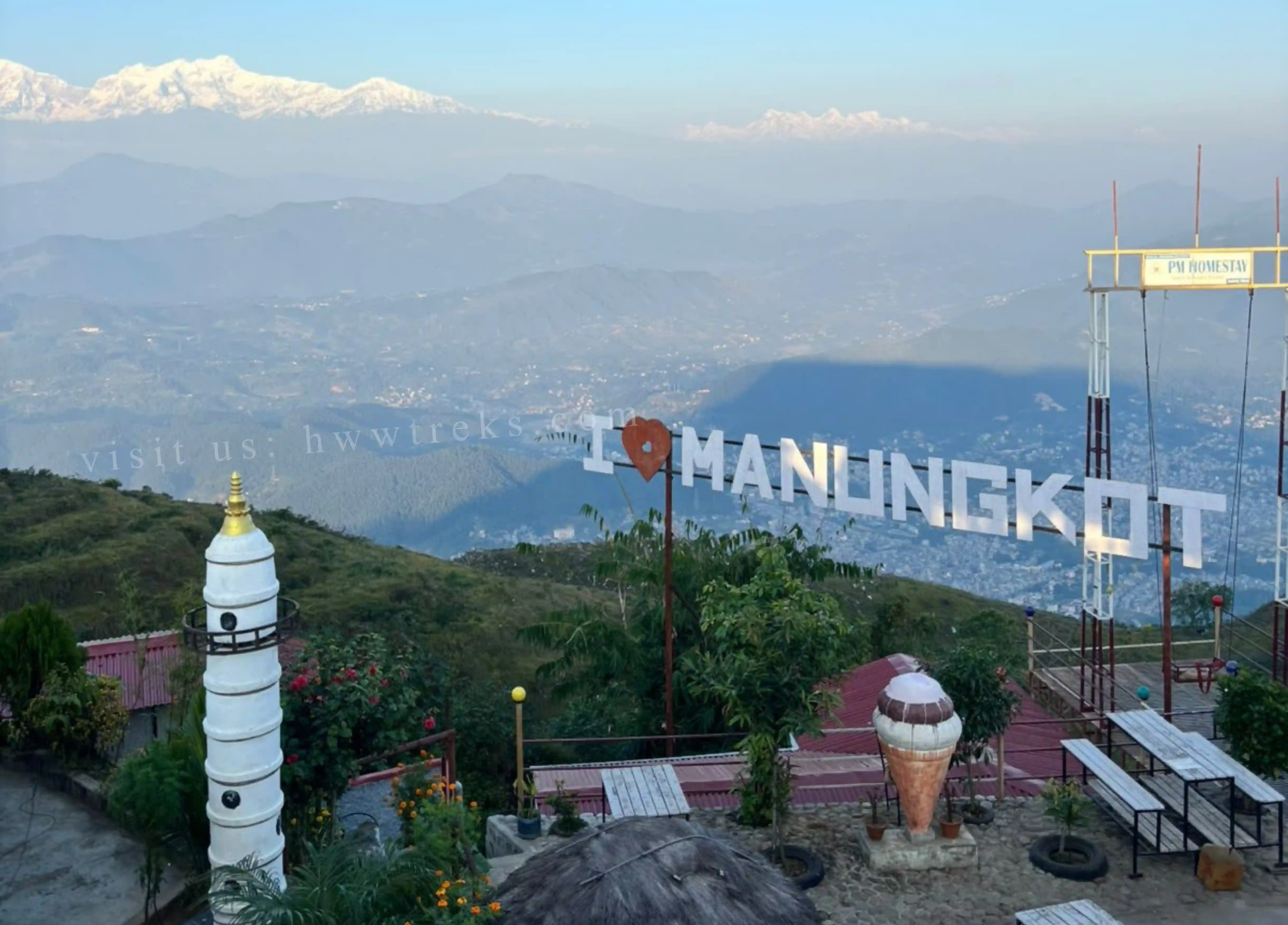
After checking into our room and freshening up, we were greeted with warm tea and popcorn. The evening was still young, and the hotel wasn't crowded yet. We decided to explore the area on an evening walk. The air was chilling, and as the sunset painted the sky in the shade of pink and orange, the nearby visible mountains were looking stunning. At around 7:30 pm, our dinner was served, a simple Dhal Bhat with lentil curry, chicken curry, and some green veggies, a taste that has its local and authentic touch. We spend some time playing cards before calling it an early night since we will be waking up early to witness what Manungkot is famous for.
The Magical Sunrise
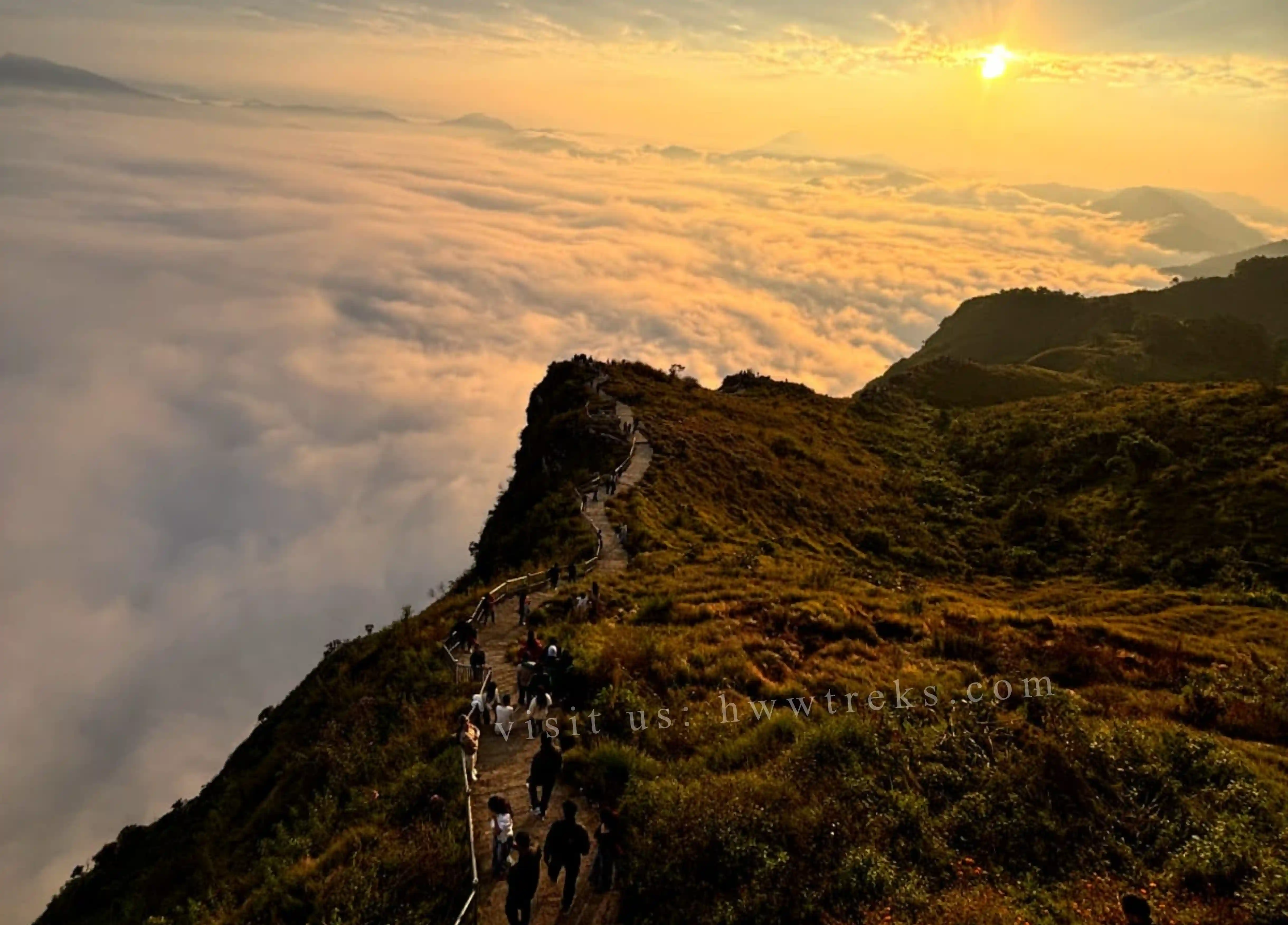
At 5 AM, our alarms went off. Despite the temptation to stay in our warm beds, the excitement of what awaited us got us moving quickly. After freshening up, we made the short 5-minute walk to the famous Manungkot View Tower. A small tea stall was selling tea for early risers near the view tower, so we grabbed our cups. We found a good spot and then started to wait for nature to come alive. Even in the dim dawn light, the silhouettes of the surrounding hills created a mesmerizing landscape. As minutes passed, more people arrived. The viewpoint was filling up, and the morning cold wind blew fiercely, reminding us of the start of winter. Everyone was getting their cameras and phones ready. After waiting 30 to 40 minutes, which felt both long and short at the same time, the sun finally began its ascent. And then it happened: the moment that makes Manungkot unforgettable.
The entire Damauli area below us was blanketed in thick clouds. The feeling was inexpressible as we were not just looking at the big white fluffy clouds, we were standing above them. As the sun started to climb higher, the whole area was painted with a perfect shade of red, orange, and gold, which felt like an absolute haven. Near the view tower, there is a long well well-built stairway descending toward the clouds to get a closer view. We took those stairs and went down to get an even more immersive experience.
The clouds remained there until about 9 AM, slowly shifting and swirling like a living thing. Gradually, the clouds began to disperse, revealing a whole city, roads, and forests. The transformation from cloud kingdom to clear valley view was equally fascinating to watch. We spent our entire morning at the hill, capturing our moments in time-lapses, taking photos, and simply soaking in the experience. These are the moments that make travel worthwhile, standing in nature's theater, witnessing a daily miracle that never gets old.
Return Journey
After filling our hearts with the heavenly moment, we returned to our hotel for breakfast. We had arranged our return trip with the same driver yesterday. At around 10:30 am, he picked us up from our hotel and then dropped us at the main highway, where we could easily find buses to Kathmandu. We managed a bus and went for a 5-6 hour ride back home, feeling fully content, with whatever moment we had in those 4-5 days and replaying the peaceful moments above the clouds in our minds.
Our Manungkot journey had come to an end, but the memories would last forever.
Best Time to Visit Manungkot
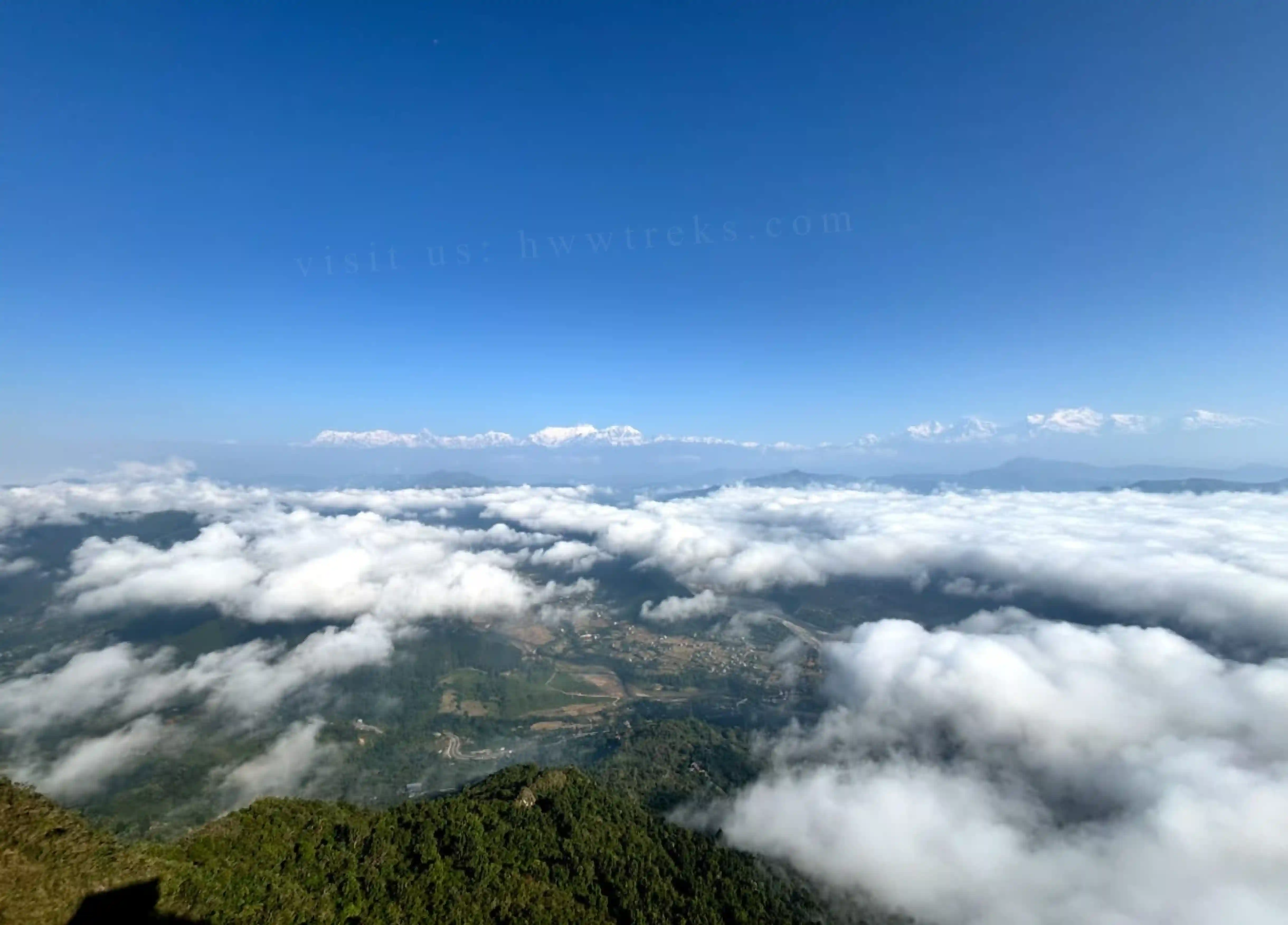
For Manungkot, the best time to visit is during Autumn(September to November) and Spring(March to May). During these months, the weather remains clear, and the temperature is pleasant, offering a clear view of the mountains. There’s also a high chance of witnessing a thick sea of clouds. Whereas other months might get affected by rain and become too cold to travel.
Conclusion
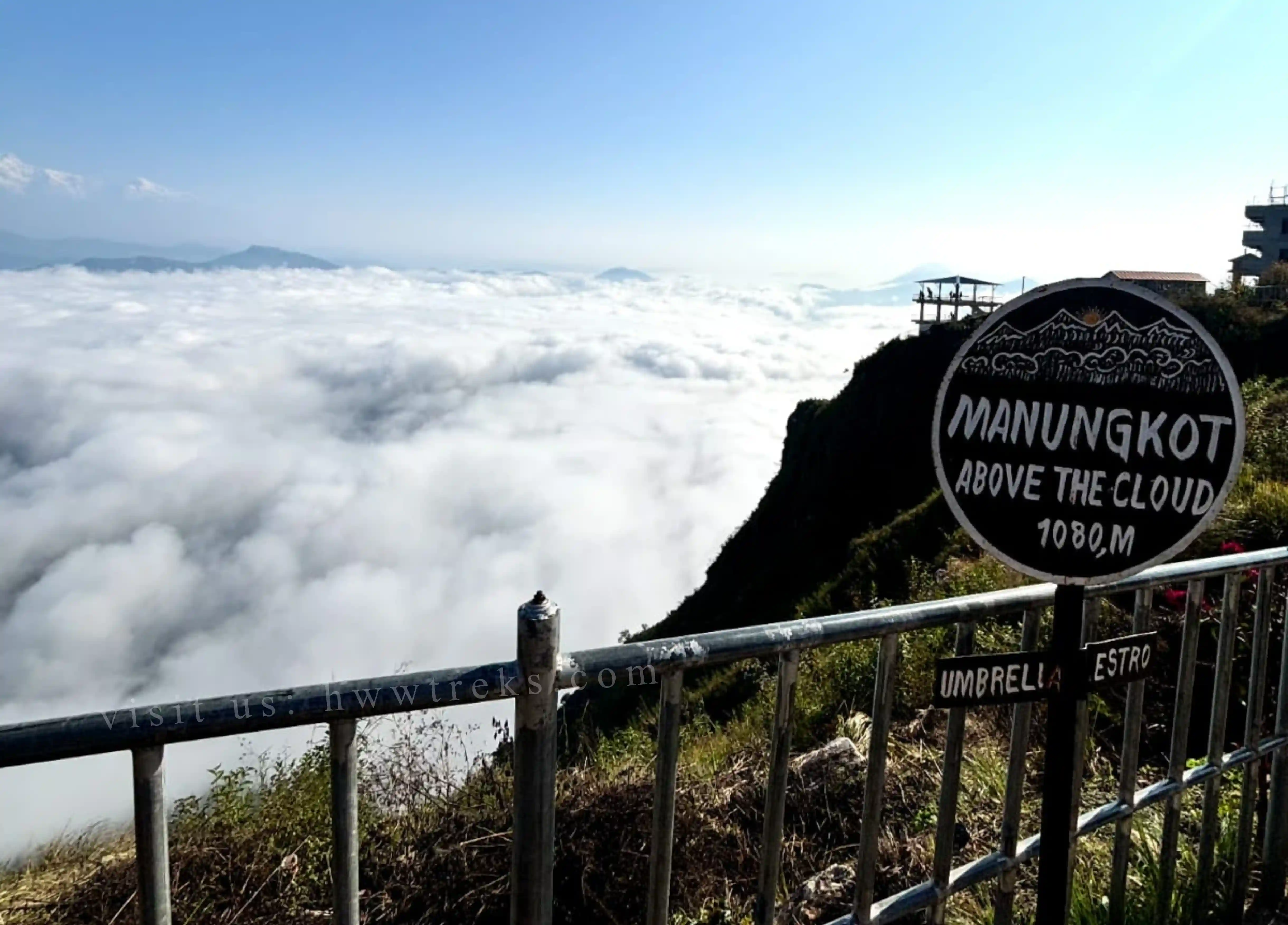
In our busy world, the Manungkot offers something rare: a chance to slow down, breathe deeply, and reconnect with nature. The local meals, the warm hospitality, and the simple pleasure of mountain life are equally rewarding along with the sunrise being the main spotlight. It's a reminder that some of the most beautiful places don't require expensive flights or elaborate plans. Sometimes paradise is just a few hours away, waiting patiently above the clouds around the hills.
So pack your bags, grab your camera, and make your way to this little utopia above the clouds. Trust me, the early morning wake-up call will be worth every second.
Read a similar useful blog regarding trekking and travelling to Nepal and its region:

Hello. Ask me about our treks — itineraries, seasons, difficulty, permits or what is included.