EBC and Gokyo lake trek via Chola Pass
Important Information
- Region
- Everest Region Trek
- Duration
- 18 Days
- Max Altitude
- 5545 meters
- Best Season
- March, April, May and September, October, November
- Activity Per Day
- Itinerary
- Grade
- Level 3
- Group Size
- 2 – 12 people
- Transportation
- 2 way flight
The Everest Base Camp and Gokyo Lakes Trek via Cho La Pass is one of the most spectacular and rewarding trekking adventures in the Nepal Himalayas, combining breathtaking mountain landscapes, rich Sherpa culture, high-altitude adventure, and two of the Everest region's most iconic destinations into a single unforgettable journey. Unlike the classic Everest Base Camp route that follows the same trail on the return, this scenic circuit explores both the vibrant Khumbu Valley and the peaceful Gokyo Valley, allowing trekkers to experience a greater variety of landscapes, viewpoints, and cultural attractions. Beginning with a scenic mountain flight to Lukla, the trail passes through picturesque villages, dense forests, rushing rivers, suspension bridges, alpine meadows, glacial valleys, and rugged mountain terrain before reaching the turquoise Gokyo Lakes, crossing the dramatic Cho La Pass (5,420 m), and continuing to Everest Base Camp (5,364 m) and the famous viewpoint of Kala Patthar (5,545 m).
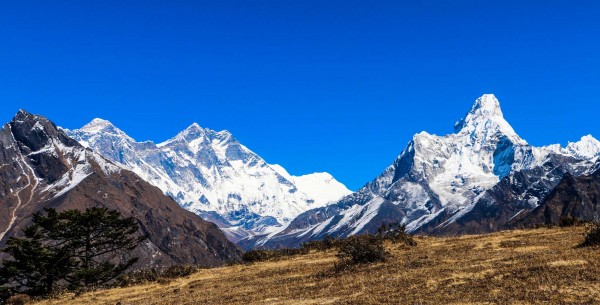
Throughout the journey, trekkers are rewarded with uninterrupted views of some of the highest mountains on Earth, including Mount Everest (8,848.86 m), Lhotse, Nuptse, Makalu, Cho Oyu, Ama Dablam, Pumori, Thamserku, Kangtega, and many other Himalayan peaks that dominate the skyline. The trail also follows the edge of the Ngozumpa Glacier, the longest glacier in Nepal, while passing through the protected landscapes of Sagarmatha National Park, a UNESCO World Heritage Site celebrated for its exceptional natural beauty, unique alpine ecosystems, glaciers, and diverse wildlife. Depending on the season, trekkers may encounter colorful rhododendron forests, Himalayan tahr, musk deer, Himalayan monals, and other native wildlife that thrive in this remarkable mountain environment.
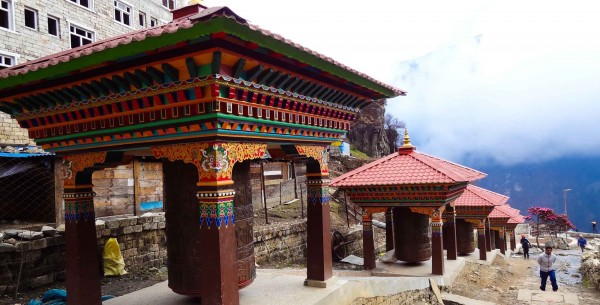
Beyond its stunning scenery, this trek offers an authentic cultural experience through visits to traditional Sherpa villages, ancient Buddhist monasteries, mani walls, chortens, prayer wheels, and welcoming family-run tea houses that have supported trekkers and climbers for generations. Every stage of the journey provides a deeper understanding of the Sherpa people's traditions, hospitality, and spiritual connection with the Himalayas. Combining the adventure of crossing one of the Everest region's famous high passes with the achievement of reaching Everest Base Camp, the panoramic summit of Kala Patthar, and the tranquil beauty of the Gokyo Lakes, the Everest Base Camp and Gokyo Lakes Trek via Cho La Pass is an ideal choice for trekkers seeking a challenging, diverse, and truly unforgettable Himalayan adventure.
Highlights of EBC and Gokyo lake trek via Chola Pass:
- Experience the ultimate Everest adventure by combining Everest Base Camp, Gokyo Lakes, and Cho La Pass in one spectacular trekking circuit.
- Explore traditional Sherpa villages, ancient monasteries, colorful prayer flags, and experience the rich culture and warm hospitality of the Khumbu region.
- Discover the breathtaking Gokyo Lakes and trek alongside the magnificent Ngozumpa Glacier, the longest glacier in Nepal.
- Cross the thrilling Cho La Pass (5,420 m) and enjoy an unforgettable high-altitude adventure surrounded by dramatic Himalayan landscapes.
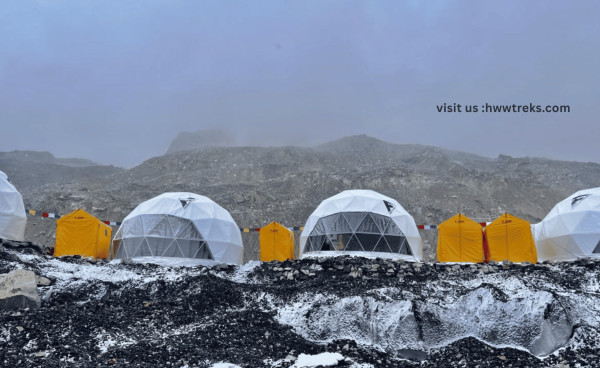
- Reach Everest Base Camp (5,364 m) and witness the impressive Khumbu Glacier and Khumbu Icefall at the foot of the world's highest mountain.
- Hike to Kala Patthar (5,545 m) and Gokyo Ri (5,357 m) for panoramic sunrise views of Everest, Lhotse, Makalu, Cho Oyu, Ama Dablam, and surrounding peaks.
- Walk through the pristine landscapes of Sagarmatha National Park, home to alpine forests, glaciers, diverse wildlife, and breathtaking mountain scenery.
- Stay in comfortable mountain tea houses while enjoying authentic Sherpa hospitality and traditional Himalayan cuisine.
- Experience an incredible variety of landscapes, from lush forests and river valleys to alpine lakes, glaciers, rocky trails, and snow-covered mountain passes.
- Complete one of Nepal's most scenic and rewarding trekking routes without retracing the same trail, making every day of the journey unique.
Your trip at a glance
18 days · highest 5,545 m
-
Day 1 Arrive Kathmandu 1,300m
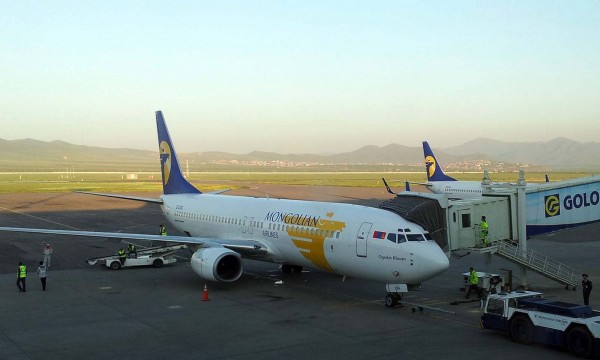
Upon your arrival at the Tribhuvan International Airport in Kathmandu, you will be welcomed by a representative of the Himalayan Wander Walkers. You will be checked into your hotel. You will meet our trekking operator for a briefing about the entire trek on this day. You can either rest or hang out around a famous tourist area in Kathmandu, Thamel.
Overnight at a hotel set with a BB plan.
-
Day 2 Flight from Kathmandu to Lukla or Ramechap to Lukla and trek to Phakding 3-4 hours. 2,651m
Distance: 8 KM (5 Miles)
Your trek to Everest base camp starts from today, and you will be transferred to the airport and will enjoy a 40min short scenic flight to the Himalayan foothills. The views from the plane are stunning, providing dramatic sights of terraced hills and the distant giant Himalaya. After landing at Lukla airport, we walked for 3 hours to the town of Phakding with a few ups and downs along the Dudh Koshi River.
Overnight at the tea house.
-
Day 3 Phakding to Namche Bazaar 5-6 hours. 3,438m
Distance : 9 KM ( 5.6 Miles )
After breakfast, we continue trekking along the bank of the Dudh Koshi River and crossing this majestic river numerous times on exciting suspension bridges decorated with prayer flags. After entering Sagamartha National Park from Larja Dobhan, the trail climbs up steeply with breathtaking views to Namche Bazaar, the gateway to the Everest region.
Overnight at the teahouse.
-
Day 4 Acclimatization day. 3,438m
Distance : 5 KM ( 3.1 Miles )
Today is a rest and acclimatization day in Namche Bazaar. Namche is a colorful village with many wonderful and interesting shops and vendors, fabulous food and stunning views of the surrounding mountains. An early hike above town, before the clouds move in, reward trekkers with a spectacular Himalayan sunrise and views of Mt. Everest, Lhotse, the beautiful Ama Dablam and many more. On the way down, we can visit the Sherpa Museum that houses an exhibit on traditional Sherpa lifestyle and a fabulous photography display by a local Nepalese naturalist.
Overnight at the teahouse.
-
Day 5 Namche Bazar to Tengboche 5-6 hours. 3,870m
Distance : 10 KM ( 6.2 Miles )
Today we will trek to Tengboche which is a beautiful day to walk. The trail is easy till Phunki and from there we climb to Tengboche village after crossing the Dudh Koshi River. Tenboche is famous for its monastery which is the biggest monastery of the Everest region. It is located within the Sagarmatha National Park which is listed in UNESCO World Heritage Sites. The monastery is blessed with panoramic views of the Himalayas, including Mt. Everest, Nuptse, Lhotse, Ama Dablam and Thamserku. We will visit the monastery and village in the afternoon.
Overnight at the teahouse.
-
Day 6 Tengboche to Dingboche 5hours. 4,360m
Distance : 11 KM ( 6.8 Miles )
The trail descends and passes through lush forests of birch, confer and rhododendron trees with the spectacular views of Mt. Everest, Lhotse, and Ama Dablam which help to energise your trek. Then the path goes downhill to Debuche and crosses the Imja River to reach Pangboche. We choose the upper Pangboche trail and admire the Himalayan vista and the Pangboche Monastery. We continue our walk to the Imja Valley and Lobuche River before ascending to Dingboche. It is a breathtaking village with beautiful barley, potato and buckwheat fields complete with grazing animals dotted along those fields.
Overnight at the teahouse.
-
Day 7 Acclimatization day. 4,360m
Distance : 6 KM ( 3.7 Miles )
Spending a day in Dingboche will help us to acclimatize to the high altitude. On this free day, we climb a ridge located behind the village and see six of the world’s tallest peaks including Lhotse, Makalu and Cho Oyu. Furthermore, we can also admire Cholatse and Taboche peaks. On our north-west we see more Himalayan peaks rising above the Khumbu Khola Valley. From another location on the ridge we can also admire the picturesque Imja Khola Valley and the beautiful Dingboche village.
Overnight at the teahouse.
-
Day 8 Dingboche to Lobuche (4940) 5 hours. 4,400m
Distance : 8 KM ( 5 Miles )
Today is a bit harder trek day because there is steep climbing. We will be starting our walk above 4400 meters. The day starts with gradual climbing to Dughla where we will stop for a quick lunch. It's an early day lunch but we do not have another option before reaching Lobuche. A steep climb from Dughla will take us to tombstones of different famous mountaineers from various countries built in their memory of them. Here we will enter Khumbu glacier and follow the route to Lobuche.
Overnight at the teahouse.
-
Day 9 Lobuche to Gorakshep (Day trip to EBC) 7-8 hours. 5,368m
Distance : 7 KM ( 4.3 Miles )
The trek to Everest Base Camp is not very difficult. However, we ascend and descend mostly on a glacier path. There is also a lot of zig-zag on rough terrains. As we reach the base camp, we enjoy the incredible melt patterns and admire the gently rounded ice towers on the upper part of the Khumbu glacier. The Everest Base Camp is stunningly beautiful. We can enjoy amazing views of Nuptse, Khumbuste and Pumori mountains from the base camp. After soaking in the beauty, we walk back towards Gorakshep.
Overnight at the teahouse.
-
Day 10 Gorakshep to Pheriche (Morning trip to Kala Patthar) 7-8hours. Highest point 5,545m
Distance : 12 KM ( 7.5 Miles )
We woke up early for the morning view walk from Kala Patthar. It is dark outside with a cold temperature and most likely chilly winds. We walk on a fairly steep trail at a comfortable pace. As we are climbing up the hill we can see Lingtren, Khumbutse, and Changtse mountains. The view from the summit is outstanding. We can see the world’s tallest mountain (Everest) along with other mighty Himalayan peaks. After spending some time at the summit of Kala Patthar, we walk back to Gorak Shep which is relatively easier than hiking up to Kala Pathhar.
Overnight at the teahouse.
-
Day 11 Gorak Shep - Kala Pathar - Lobuche 9km, 7-8 hrs Highest point 5,545m
Distance : 9 KM ( 5.6 Miles )
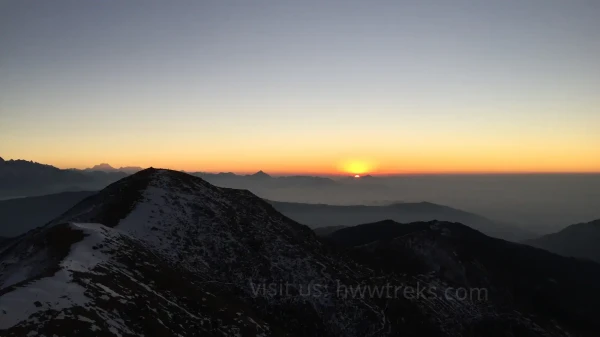
The trail climbs 2/3 hrs. up to Kala Patthar (5545 m/18192 ft) early in the morning to see the first sun rays over the top of the world's highest peak (Mt. Everest). This is a milestone of the trek to inspect a panoramic view with the fantastic sunrise over Mt. Everest, Mt. Pumori, Mt. Lingtren, Khumbutse, Changtse, Mt. Lhotse, Mt. Nuptse, Mt. Ama Dablam and many more. After accomplishing Kala Patthar, trek down to Gorakshep and retrace down to Lobuche.
Meal: Full board, three times a day.
Overnight at a teahouse.
-
Day 12 Lobuche - Dzonglha 6km, 3-4 hours. 4,830m
Distance : 6 KM ( 3.75 Miles )
From Lobuche, we trek downhill on a trail alongside the Khumbu Glacier. Our trail splits into two and we choose the trail on our right. On the way, we can better admire the view of the looming Awi Peak. We pass through a stupa and tombstones in the distance. After walking for a while we began to ascend. During the ascent, we see Chola Tsho Lake nearby. We continue further and pass another lake which is a lot smaller than the Chola Tsho Lake. We cross the Chola Khola on a bridge before reaching Dzongla.
Meal: Full board, three times a day.
Overnight at a teahouse.
-
Day 13 Dzonglha-Cho La -Thangnak -Gokyo 5,420m
Distance : 13 KM ( 8.12 Miles )
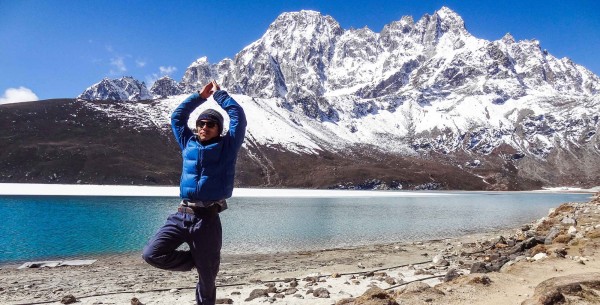
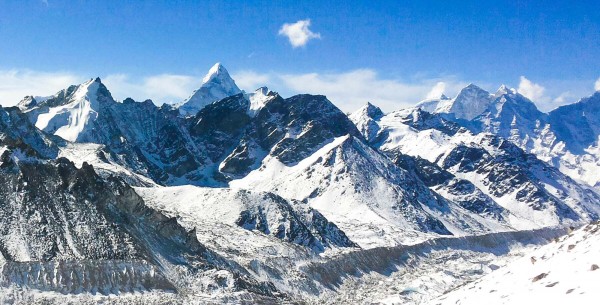
As we gain height, the Cho La Lake begins to appear and the Ama Dablam presides over a range of mountains on the south and Cholatse soars on the west. Climbing the incline is not easy; it is steep, but made worse by boulders over some of which we will have to scramble. The final climb to the Cho La can be a little tricky as the trail curves around a crevasse. The top of the pass is marked by prayer flags and cairns. The scenery of majestic peaks in all directions is breathtaking. Although long, the path leading down to Thangnak is not difficult. Our trail brings us to the edge of the Ngozumpa glacier, which is the longest glacier in Nepal. Reaching the other side of the glacier, we see the second Gokyo Lake on the series of six lakes. A short distance away is the third Gokyo Lake. On the edge of this lake stands the Gokyo Village where we spend the night.
Meal: Full board, three times a day.
Overnight at a teahouse.
-
Day 14 Rest and explore Gokyo Ri 5,350m
Distance : 1.8 KM ( 1.1 miles)
The views in the Gokyo region are tremendous. For the best view, climb Gokyo Ri (5350 m) , the small peak above the lake. The peak of 5350m is sometimes called Kala Pathar (not to be confused with the Kala Pathar above Gorakshep, though the view is similar) It is a two- hours climb to the top of the peak, providing a panoramic view of Cho Oyu, Gyanchung King, Everest, Lhotse, Makalu, Cholatse, Tawache and many more. Those with more time and energy can make a trip up the valley to another lake, marked with the name Ngazumpa on the maps, or even beyond to a fifth lake. There are several small peaks in this region that offer vantage points for the surrounding peaks and views of the Nangpa La, the old trade route into Tibet.
Meal: Full board, three times a day.
Overnight at a teahouse.
-
Day 15 Trek to Dole 5 hours 4,200m
Distance : 11 KM ( 6.87 Miles )
After spending a wonderful time in Gokyo we will re-trace back to Dole via Machhermo.
Overnight at a guest house.
-
Day 16 Trek to Namche 5 hours 3,440m
Distance : 10 KM ( 6.25 Miles )
Today after breakfast, we'll follow the same trail with a big descend till Phortse Tanga then ascend to the Mongla Danda from where the trail goes slow down all the way to Namche.
Overnight at a guest house.
-
Day 17 Trek to Lukla 6 hours 2,828m
Distance : 19.9 KM ( 12.4 Miles )
Today after breakfast you will re-trace back to Lukla with a few ups and downs.
Stay overnight at a guest house.
-
Day 18 Fly back to Kathmandu 1,350m
In the morning your guide will take you to the airport and you will have a scenic flight back to Kathmandu. After landing at Kathmandu, you will be transferred to the hotel, and the rest of the time you can enjoy exploring the evening ambiance of Thamel or Boudha.
Overnight at the hotel.
What's included 11 items
- All airport pick-up & drop by private vehicle (international and domestic)
- Welcome dinner in an authentic restaurant in Kathmandu
- National Park entrance fee and Trekking Permits
- English speaking, government licensed guide with all his salary, food, drinks, accommodation, transport and insurance
- Twin/double sharing accommodation in the mountain during the trekking
- Three meals a day; breakfast, lunch, and dinner during the trek
- Arrangement of emergency evacuation service (should need insurance for emergency evacuation and will be paid by your travel insurance company)
- Trekking route maps
- All necessary government taxes and service charges
- 1-Porter (For 2- person)
- Two Way Domestic Flight to and from Lukla
What's not included 7 items
- Your Nepal visa fees and 2 passport size photos
- All the International airfare from and to Kathmandu
- All meals and Accommodation/ hotels in Kathmandu
- Food and accommodations in case of early arrivals from the trek or late departures from the airport
- Your extra personal expenses during trek such as (laundry, baggage charge, phone calls, battery recharge, bar and beverage bill, boiled or bottled water, hot and cold shower, extra porter, etc)
- Tips for the trekking crew
- Extra expenses due to flight delays, strikes, weather condition or any event out of our control
Useful Information
CHECKLISTS FOR GOKYO LAKE TREK
Valid passport (valid for six months from the date of your trip)
MasterCard, Visa Credit, and Debit Cards are accepted in Nepal. However, some cash is highly recommended.
Mobile (if your cell phone is from CINGULAR USA or ATNT (USA) operators, then your cell phone will work in Nepal.)
Clothing (Layered clothes, windproof and waterproof jackets, fleece pullovers, thermal base layers, hiking pants, shorts, headwear, footwear, and other items according to your needs)
Personal Items and Toiletries (First-Aid Kit, Iodine tablets or a UV purifier to treat water, Sun Protection)
Travel and Health Insurance
Trekking gear and equipment(if you have your own trekking gear and equipment, such as trekking poles, sleeping bag, and shoes, then you can bring them; else you can rent them in Thamel, Kathmandu). Read more for trekking gears and peak climbing gears.
Guiding, Food, and Lodging
In Nepal, all trekking supplies - Teahouse trekking means staying and eating in local lodges. We stay in single rooms where possible, but often you will have to share. Rooms are basic, normally just a bed with a pillow, blankets. A few have electric lights and all have a spacious dining room-lounge. We eat at teahouses and, although the food is usually plentiful and delicious, the menu is not extensive. They offer a variety of potatoes, rice and noodle dishes, as well as soup and seasonal vegetables. Beers and local spirits are often available, but that will be at your own cost. A variety of cereals, bread, and egg dishes are generally available for breakfast. There are also snacks available such as basic biscuits, chocolate, and soft drinks and in some areas, you will find fresh fruit in season. It is normal to meet your porter in the teahouse where you will stay overnight. So, pack your necessary things in your own day pack.
DRESS CODE FOR VISITING MONASTERIES, AND TEMPLES IN NEPAL
Shirt (either half or full sleeve)
Full pants/long skirts
Any type of shoes with socks
No Hats, No Umbrella, No Slippers, No t-shirts, No short skirt, and No half-pants
Photographs allowed in the courtyard only.
Note regarding itineraries:
Although we generally adhere to the schedule, the itinerary is subject to change for numerous reasons beyond our control, including weather and terrain conditions, suitable campsite availability, and the group's general fitness level. It is important to understand that our trek is logistically complex and it is not unusual that adjustments be made. Our guide will orient you each evening to the following day's plan; their good judgment is the key to the long history of successful treks that Himalayan Wander Walkers has led till now. Please remember that our ability to make adjustments as needed helps to ensure that your trek is successful.
Frequently asked questions
This trek is considered challenging due to its high altitude, long walking days, and the crossing of Cho La Pass (5,420 m). Trekkers should have good physical fitness, previous hiking experience, and enough time for proper acclimatization.
The trek typically takes 16 to 18 days, including arrival and departure in Kathmandu. The itinerary allows sufficient time for acclimatization while covering Everest Base Camp, Gokyo Lakes, Gokyo Ri, and Cho La Pass.
The best seasons are spring (March to May) and autumn (September to November) when the weather is generally stable, the skies are clear, and mountain views are at their best.
The highest point is Kala Patthar (5,545 m), followed by Cho La Pass (5,420 m) and Everest Base Camp (5,364 m).
Cho La Pass is one of the most demanding sections of the trek. Depending on the season, the trail may include snow, ice, and rocky terrain. An early start and a steady pace help make the crossing safe and enjoyable.
Previous trekking experience is recommended but not essential. If you are physically fit, prepare well, and follow a properly planned itinerary with acclimatization days, you can successfully complete the trek.
Accommodation is provided in traditional mountain tea houses. Most offer comfortable twin-sharing rooms, shared bathrooms at higher elevations, and freshly prepared local and international meals.
You will need the Sagarmatha National Park Entry Permit and the Khumbu Pasang Lhamu Rural Municipality Permit before entering the Everest region.
Yes. Since the trek reaches elevations above 5,000 meters, there is a risk of altitude sickness. Proper acclimatization, staying hydrated, walking at a comfortable pace, and listening to your guide are essential for a safe trek.
This trek offers a more complete Everest experience by combining the famous Everest Base Camp trail with the tranquil Gokyo Valley, the stunning Gokyo Lakes, Gokyo Ri, and the adventurous Cho La Pass. It also follows a scenic circuit, allowing trekkers to explore different landscapes instead of returning on the same route.
No question matches that. Try a different word, or ask us directly — we answer every message.
Send us your dates and how many of you there are, and we will price it and come back to you.
Sun–Fri, 9am–5pm Nepal time. We usually reply the same day.
You might also like
Trips in the same country, at the same sort of pace.