Inner Dolpo Circuit Trek
Important Information
- Region
- Dolpo Region Treks
- Duration
- 24 Days
- Max Altitude
- 5350m
- Best Season
- April to mid-November
- Activity Per Day
- 5-6 hours
- Grade
- Level Level 3
- Group Size
- 2 – 12 people
- Transportation
- Flight
The Inner Dolpo Circuit Trek is a lesser-known adventure trek in Nepal, located in the far west, perfect for travelers looking to explore a remote and untouched part of the country. This trek takes you deep into the corner of Nepal, where the landscape is as rugged as it is beautiful.
This trek isn’t just about the stunning scenery; it’s also a journey into the heart of the Dolpo district, where the culture has remained largely unchanged for centuries. As you travel through the valleys of Dolpo, you’ll have the chance to connect with local people who follow a traditional way of life, heavily influenced by Tibetan culture.
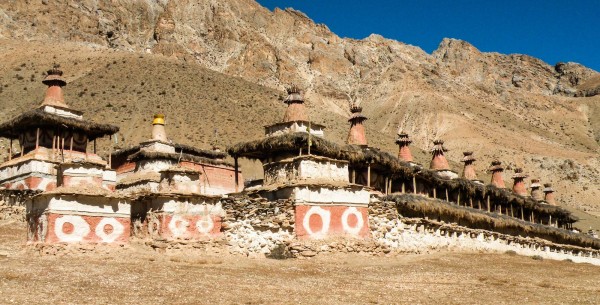
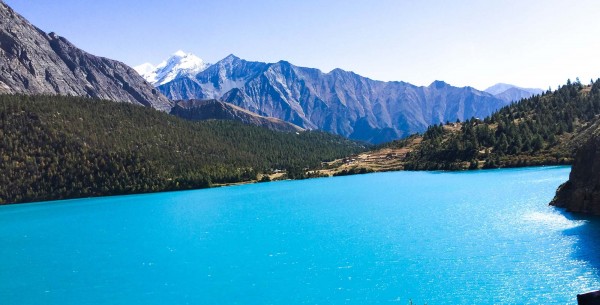
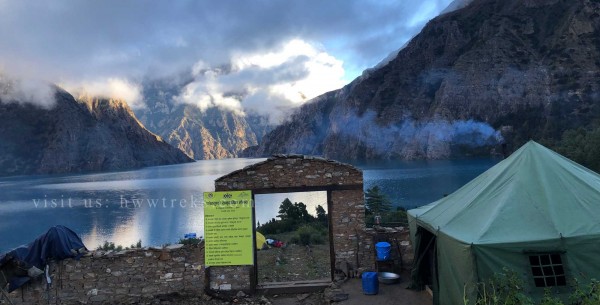
What makes the Inner Dolpo Trek so special is its isolation and rich Tibetan customs. The area is home to ancient monasteries, small villages, and Buddhist stupas, all set in a landscape that’s both wild and magnificent. As you trek, you'll pass by the famous Shey Phoksundo Lake, with its striking turquoise waters, and enjoy incredible views of the surrounding mountains like Dhaulagiri, Himalchuli, and Kanjiroba. This trek gives you an authentic cultural experience, allowing you to truly immerse yourself in the history and lifestyle of the Tibetan-influenced communities.
If you're seeking a once-in-a-lifetime trekking experience far from the usual tourist trails, the Inner Dolpo Trek offers an adventure that feels more like a journey through time. This Inner Dolpo Circuit trek requires fewer trekking days than our Upper and Lower Dolpo Circuit Trek, where you will not cover a few villages such as Koma Gaon, Shimen, and Tingyue village. If you are willing to include other villages, then let us know we will try to customize your request.
Inner Dolpo Trek Route
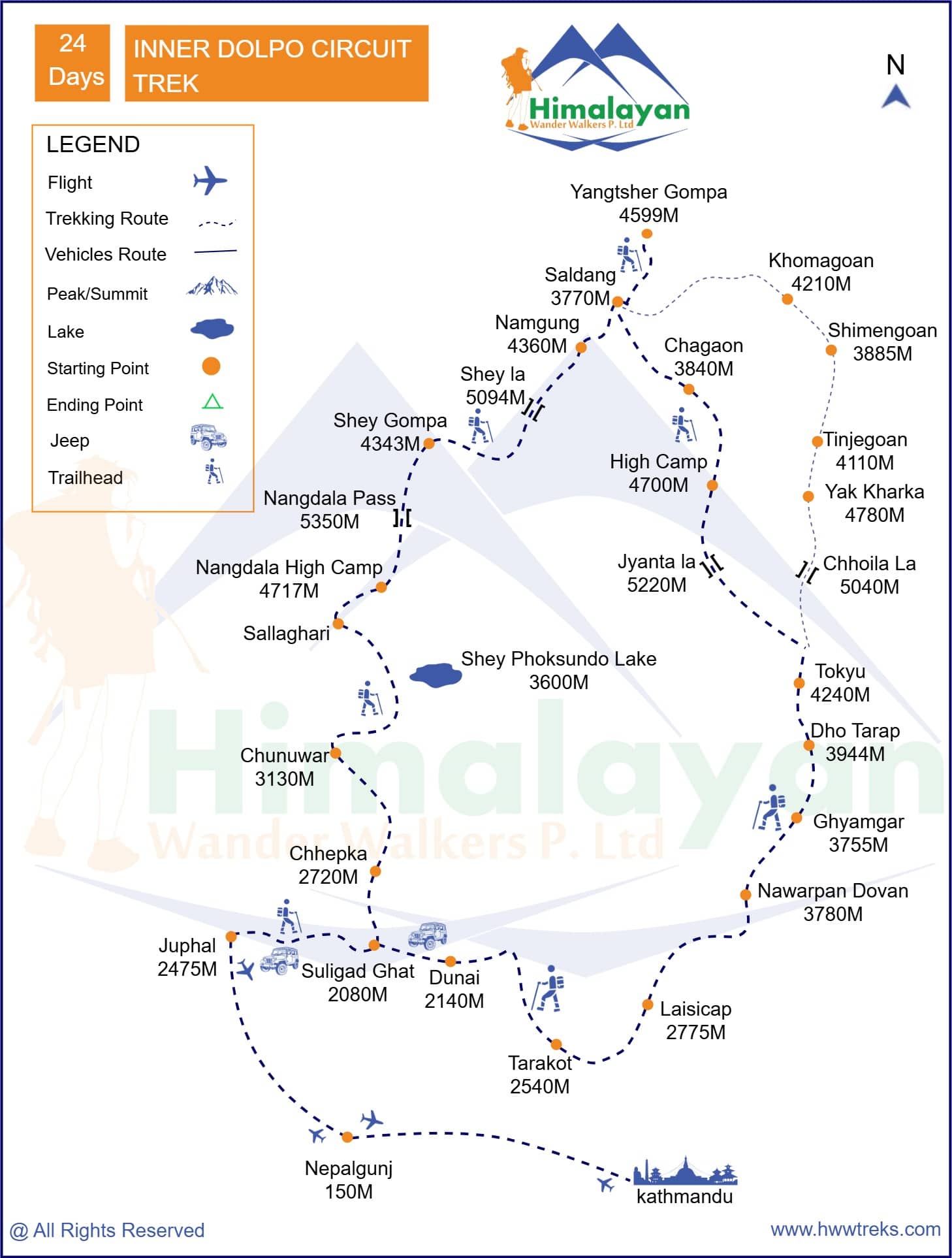
This 24-day itinerary offers an exciting adventure through the isolated regions of Nepal, starting with an arrival in Kathmandu. The journey begins with a flight to Nepalgunj and then to Juphal, followed by a trek to the Sullighat Campsite. The trek progresses through stunning landscapes, including the Shey Phoksundo Lake and the Bonpo Gompa, before heading towards higher altitudes, including a challenging crossing of the Nangdala Pass (5350m). You will have a separate day to travel to the Shey Phoksundo Lake and its surroundings. Acclimatization days are built in to ensure proper adjustment to the high altitudes. As the trek continues, it includes visits to remote villages like Saldang and Namgung, with a day hike to Yangjer Gumba (4599m). The route also includes the stunning Dho Tarap, where trekkers can rest and explore, and later, it descends through villages such as Nawarpani, Lasicap, and Dunai. After a final trek back to Juphal, the group will fly back to Nepalgunj and Kathmandu. A buffer day is included to account for weather-related flight cancellations. The adventure concludes on Day 24, with a departure from Kathmandu, marking the end of this remarkable journey through the wild and breathtaking Tibetan-influenced landscapes of Nepal.
The highlight of the Inner Dolpo Trek
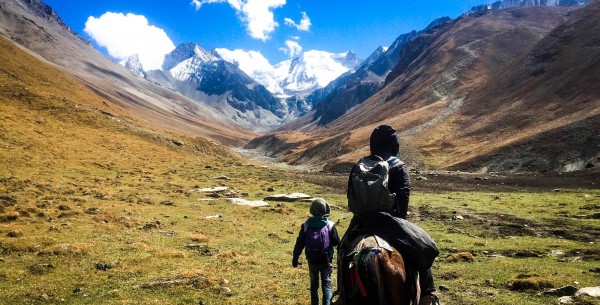
- Dolpo’s landscape combines snow-capped peaks, deep gorges, arid valleys, and lush, dense forests, offering diverse scenery.
- Influenced by Tibetan culture, Dolpo features ancient monasteries, remote villages, Buddhist stupas, and the sacred Shey Gompa and Ringmo Village.
- The stunning, turquoise alpine Shey Phoksundo Lake, surrounded by peaks, is a sacred site offering dramatic, peaceful views.
- Trekking overpasses like Shey La (5100m) and Nangda La (5240m) provide breathtaking views of Kanjiroba, Dhaulagiri, and Himalchuli.
- The trek crosses ecosystems from subtropical forests to alpine meadows, home to snow leopards, blue sheep, Himalayan tahr, and birds.
Reference for Planning your Trek in Dolpo: Trekking in Dolpo Guide
If you are looking for a different itinerary than the one here, please Customize Your Trip.
Your trip at a glance
24 days · highest 5,350 m
-
Day 1 Arrival in Kathmandu 150m
Details for this day are confirmed with you before you travel.
-
Day 2 Fly out from Kathmandu to Nepalgunj - 150m 150m
Details for this day are confirmed with you before you travel.
-
Day 3 Fly out from Nepalgunj to Juphal and trek to the Sullighat Campsite 150m
Details for this day are confirmed with you before you travel.
-
Day 4 Trek from or Sulighat – Chhepka or Rije 5/6hrs 2,720m
Details for this day are confirmed with you before you travel.
-
Day 5 Trek from Chhepka – Jharana hotel 5/6 hrs 3,110m
Details for this day are confirmed with you before you travel.
-
Day 6 Jharana Hotel – Rigmo Village ( Shey Phoksundo Lakeside village) 4/ 5hrs 3,640m
Details for this day are confirmed with you before you travel.
-
Day 7 Rest / Acclimatization Day (Explore the Bonpo Gompa and lake) 3,640m
Details for this day are confirmed with you before you travel.
-
Day 8 Trek from Rigmo – Sallaghari 5/6 hrs 3,594m
Details for this day are confirmed with you before you travel.
-
Day 9 Trek from Sallaghari – Nangdala H.C 5/6hrs 4,500m
Details for this day are confirmed with you before you travel.
-
Day 10 Trek from Nangdala H.C – Shey Gompa 6hrs Highest point 5,350m
Details for this day are confirmed with you before you travel.
-
Day 11 Shey Gompa (Rest Day) - 4343m 4,343m
Details for this day are confirmed with you before you travel.
-
Day 12 Shey Gompa to Namgung - 4360m (5/6hrs) 4,360m
Details for this day are confirmed with you before you travel.
-
Day 13 Namgung to Saldang - 4100m (3/4hrs) 4,100m
Details for this day are confirmed with you before you travel.
-
Day 14 Saldang to Day hike to Yangjer Gumba 4,599m
Details for this day are confirmed with you before you travel.
-
Day 15 Trek from Saldang to Chagaon 5/6 hrs 3,840m
Details for this day are confirmed with you before you travel.
-
Day 16 Trek from Chagaon to Jyanta La High Camp 6/7 hrs 4,700m
Details for this day are confirmed with you before you travel.
-
Day 17 Trek from Janta la High Camp - Dho Tarap via crossing 7 hrs 5,220m
Details for this day are confirmed with you before you travel.
-
Day 18 Rest / Exploration Day at Dho Tarap 5,220m
Details for this day are confirmed with you before you travel.
-
Day 19 Trek from Dho Tarap - Nawarpani 5/6 hrs 3,370m
Details for this day are confirmed with you before you travel.
-
Day 20 Trek from Nawarpani - Lasicap 5/6 hrs 2,775m
Details for this day are confirmed with you before you travel.
-
Day 21 Trek from Lasicap - Dunai Drive to Juphal 2,775m
Details for this day are confirmed with you before you travel.
-
Day 22 Fly to Nepalgunj and Fly to Kathmandu 2,775m
Details for this day are confirmed with you before you travel.
-
Day 23 Buffer Day in case the Flight gets canceled due to a weather issue 2,775m
Details for this day are confirmed with you before you travel.
-
Day 24 Finale Departure 2,775m
Details for this day are confirmed with you before you travel.
What's included 10 items
- Trekking Guide: Speaking English, Nepali, Tibetain and Dolpo language
- Trekking Crew Members (Cook, Kitchen, Staff, Mule Driver, etc)
- Two way flight fare (Ktm-Kep-Dolpo-Kep-Ktm)
- Porters or Mules to carry load
- Trekking equipment: Chairs & tables, mattresses, member tents, kitchen/dinning tent, toilet tent, bedding bags, first aid kit
- Food: Three times meal(Breakfasr, lunch and dinner), with different items
- Drink: Tea, Coffee, Juice, ect with light snacks, biscuits, cookies etc. along with fruits and chocolates
- Accommodations for two nights at a 3*** hotel in Kathmandu
- One night hotel fare in Nepalgunj
- All trekking permits
What's not included 8 items
- Nepalese visa fee
- Excess baggage charge for domestic flight
- Extra night accommodation in Kathmandu because of early arrival, late departure, early return from mountain (due to any reason) than the scheduled itinerary
- Meals in Kathmandu
- International Flight fare
- Travel and rescue insurance
- Personal expenses (phone calls, laundary, bar bills, battery recharge, extra porters, bottle or boiled water, shower ect.)
- Gratitude for Crew members
Route Map
Useful Information
CHECKLISTS FOR INNER DOLPO CIRCUIT TREK
- Valid passport (valid for six months from the date of your trip)
- MasterCard, Visa Credit, and Debit Cards are accepted in Nepal. However, some cash is highly recommended.
- Mobile (if your cell phone is from CINGULAR USA or ATNT (USA) operators, then your cell phone will work in Nepal.)
- Clothing (Layered clothes, windproof and waterproof jackets, fleece pullovers, thermal base layers, hiking pants, shorts, headwear, footwear, and other items according to your needs)
- Personal Items and Toiletries (First-Aid Kit, Iodine tablets or a UV purifier to treat water, Sun Protection)
- Travel and Health Insurance
- Trekking gear and equipment(if you have your own trekking gear and equipment, such as trekking poles, sleeping bag, and shoes, then you can bring them; else you can rent them in Thamel, Kathmandu). Read more for trekking gears and peak climbing gears.
Best Season to do Inner Dolpo Trek
The best seasons to embark on the Inner Dolpo Trek are spring (April to early May) and autumn (September to November). These months offer clear skies, moderate temperatures, and relatively dry weather, ideal for trekking. If you are targeting a summer trek, be prepared for possible flight delays due to the unpredictable weather in the lowlands. To ensure smooth travel, it's always wise to have 1-2 extra days on your itinerary
Guiding, Food, and Camping
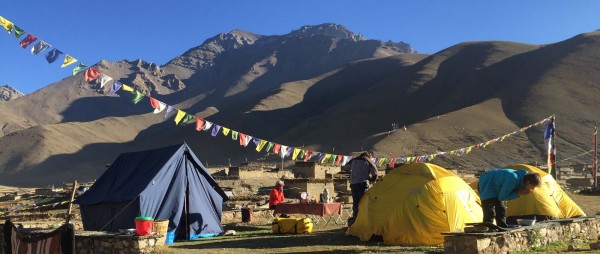
In Nepal, all trekking supplies - camping equipment, kitchen implements, food - are carried by pack animals like mules, Yaks, and horses. Even Porters are common in Nepal. All trekkers are accompanied by a guide, a cook, and usually at least one horseman or yak herder. With the surest footing; they lead trekking groups across the passes. The horseman and cook will usually run ahead during a trekking day. They will have prepared a packed lunch for hikers and will go on to the night’s resting place to set up camp. They set up tents, cook dinner, and ready the area for arriving trekkers. When trekkers reach the campsite they are greeted with a hot cup of tea and biscuits in the dining tent. After six hours in the mountains, no drink will ever taste sweeter. For dinner, the cook will usually prepare a buffet of dishes that are as welcome as they are delicious.
DRESS CODE FOR VISITING MONASTERIES, AND TEMPLES
- Shirt (either half or full sleeve)
- Full pants/long skirts
- Any type of shoes with socks
- No Hats, No Umbrella, No Slippers, No t-shirts, No short skirts, and No half-pants
- Photographs are allowed in the courtyard only.
Note on itineraries
Although we generally adhere to the schedule, the itinerary is subject to change for numerous reasons beyond our control, including weather and terrain conditions, suitable campsite availability, and the group's general fitness level. It is important to understand that our trek is logistically complex and it is not unusual that adjustments be made. Our guide will orient you each evening to the following day's plan; their good judgment is the key to the long history of successful treks that Himalayan Wander Walkers has led till now. Please remember that our ability to make adjustments as needed helps to ensure that your trek is successful.
Frequently asked questions
Yes, you can. For this you can customize your trip according to your preferences here in our “Customize your trip” section, allowing us to know all your requirements OR you can also do the Upper and Lower Dolpo Circuit, which offers more days to explore and enjoy.
No, you can't do the Inner Dolpo Circuit Trek as a teahouse trek. The region is remote and lacks the infrastructure of teahouses or lodges, especially in the more isolated areas of the trek such as Phuksundo Lake, Chhepka, Nangdala HC, Saldang, and many more. This trek is best suited for camping, as it allows you to explore some of the most untouched parts of Dolpo.
If the flight from Nepalgunj to Juphal gets canceled due to weather conditions, we always have a backup plan. The first option will be to drive to Juphal, as there is a drivable road available from Nepalgunj. It’s always wise to have 1-2 extra days in your itinerary to accommodate any delays caused by weather issues.
Yes, the Dolpo region is home to some incredible wildlife. On this trek, you might have the chance to see snow leopards, blue sheep, Himalayan tahr, and various species of birds. The area is part of the Shey Phoksundo National Park, which is rich in biodiversity, and you may even encounter these animals in the more remote parts of the trek, especially during the quieter hours.
For the Inner Dolpo Circuit Trek, you’ll need high-quality trekking gear suitable for cold, high-altitude conditions. This includes waterproof trekking boots, warm layers (including a down jacket), gloves, hats, a sleeping bag for cold temperatures, trekking poles, and a good-quality backpack. A comprehensive packing list will be provided before departure, ensuring you have everything you need for comfort and safety. For more details read our Trekking Gears blog.
During the Inner Dolpo Circuit Trek, access to phone networks and the internet is very limited. The remote nature of the region means that signal is only available in certain villages, and internet connectivity is practically nonexistent for most of the trek. It's a great opportunity to disconnect and immerse yourself in nature, though. You can always carry a satellite phone for emergencies, which we can arrange for you.
Altitude sickness is a common concern when trekking in high-altitude regions, and we take it seriously. To mitigate the risk, we have built-in acclimatization (rest) days into the itinerary, allowing your body to adjust gradually to the changing elevation. Staying hydrated, eating well, and taking things slow are key to avoiding altitude sickness. If symptoms like headaches, nausea, or dizziness appear, we encourage resting and informing your guide, who will follow proper protocols. It’s important to listen to your body and communicate any concerns during the trek.
No question matches that. Try a different word, or ask us directly — we answer every message.
Reviews
| 2–4 travellers | $4,300 each |
|---|---|
| 5–8 travellers | $4,100 each |
| 9–12 travellers | $3,800 each |
Holding your place…
Please do not close this window.Larger group, a date you cannot see, or just a question?
Sun–Fri, 9am–5pm Nepal time. We usually reply the same day.
You might also like
Trips in the same country, at the same sort of pace.