Lower Dolpo Circuit Trek
Important Information
- Region
- Dolpo Region Treks
- Duration
- 18 Days
- Max Altitude
- 5310m
- Best Season
- April - November
- Activity Per Day
- 5-6 hrs
- Grade
- Level 3
- Group Size
- 2 – 12 people
- Transportation
- Flight - Jeep
Lower Dolpo is the most recommended trekking in western Nepal with the less cost of permit compare to Upper Dolpo and Upper Mustang.
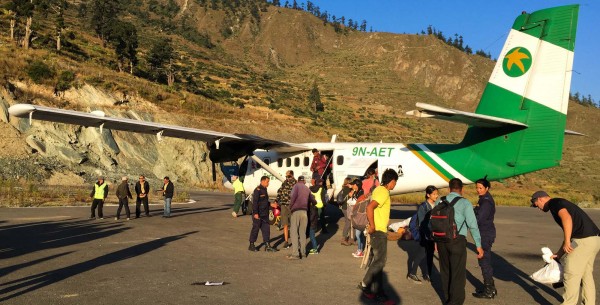
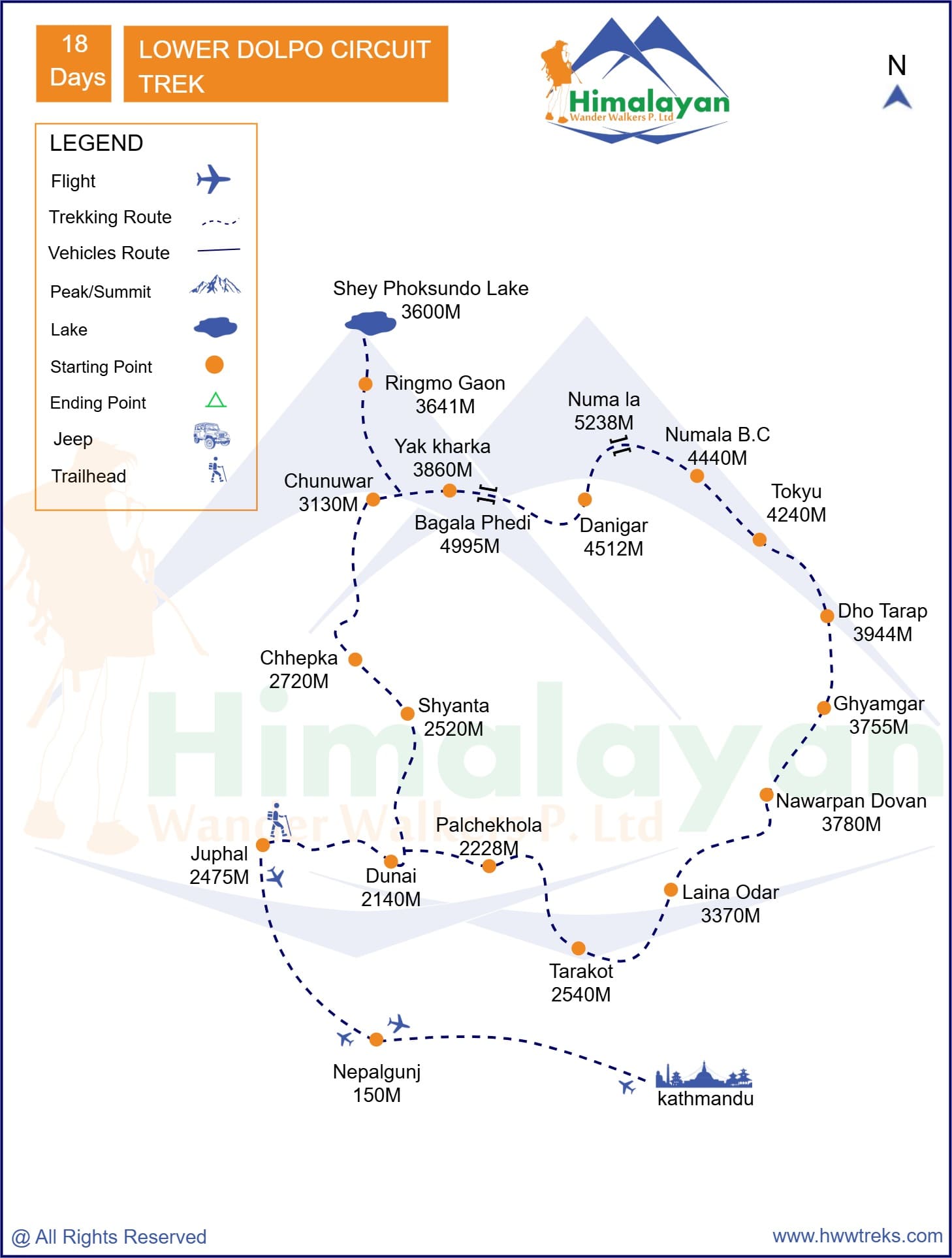
Lower Dolpo lies in the rain shadow of Dhaulagiri, Western Nepal. Snows frequently block passes in the winter so that the best time to trek is from late April to mid-November. Access to the region is via Nepalganj, one of the largest towns in western Nepal, and the first stop from Kathmandu. Flights to the more remote airstrips and trekking access points depart from Nepalganj to Juphal. A walk through the Dunai bazaar should not be missed.
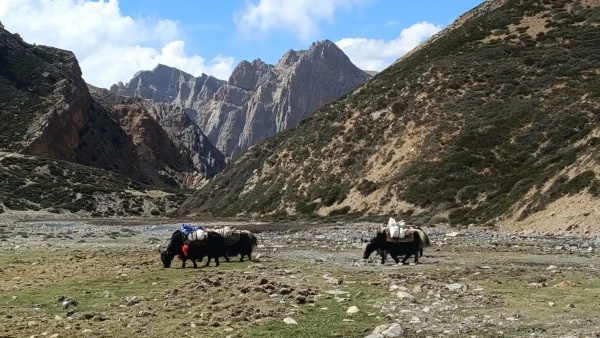
This trek offers an outstanding trekking experience in the remote western region of Nepal. This 18 days Lower Dolpo Circuit trek begins with visits to the UNESCO World Heritage Sites in Kathmandu. Next, we fly to Jhupal via Nepalgunj and begin our trek through remote locations admiring the beautiful rain shadow landscape of the Himalayas. Dolpo trekking is a full package of mystical experiences. In addition, this is also one of the few areas where the pre-Buddhist Bon Po religion is still practiced. While on the trek, we get to muse at the yak caravans that maintain the traditional salt trade with Tibet. We also cross two high passes- Numa La and Baga La-and reflect on life amidst the tranquil water of Phoksundo Lake.
This trip is appreciated by all the visitors of Dolpo which leads you through several typical villages and the flat valley like Dho Tarap having enchanting views of nature. From the beautiful Dho valley you will head for Phoksundo Lake, the deepest lake of Nepal which is famous for its crystal clear water and turquoise color. There is the magical power of changing the colors of the lake from morning to evening and the lake remains always neat. If you have past experience of trekking to the Himalayas will be better for this trip because this trek exists 5000m high two passes to cross.
Highlights
- This is really an impressive destination traversing from Dho valley to Phoksundo lake.
- We provide a guide who speaks Tibetan, Nepali, and English to make this trek in the best way.
- Explore the shores of Phoksundo Lake in Ringmo, the deepest lake of Nepal with the fascinating colors that reflects from it.
- View of 8000m peaks, Dhaulagiri from the Numa la and Baga la.
- Experience the Tibetan culture within Dolpo, an isolated valley of Nepal.
- If you are lucky enough, you will see Snow Leopard.
- In the end, you will fall with people, cultures, and landscapes
If you are looking for a different itinerary than the itinerary here, please Customize Your Trip.
Your trip at a glance
18 days · highest 5,190 m
-
Day 1 Arrival in Kathmandu 2,320m
Arrival in Kathmandu-Transfer to Hotel, Welcome assistance by Himalayan Wander Walkers representative at the Tribhuvan International Airport and transfer to hotel, rest at the hotel and briefing about the trip.
Overnight accommodation is set with BB Plan
-
Day 2 Kathmandu Sightseeing and Permit Preparation 2,320m
Today after breakfast we start a guided tour to several of the most historical and spiritual attractions in Kathmandu. Some of these landmarks are considered World Heritage Sites including the historic Durbar Square, the sacred Hindu temple of Pashupatinath, the famous 'Monkey Temple' (Swayambhunath), and the Buddhist shrine (Bouddhanath), which is one of the largest stupas in the world. At noon, there will be a pre-trip discussion where we can meet our trek leader and other team members. Himalayan Wander Walkers will brief you regarding your trek as well as provide you with an opportunity to ask any questions you may have regarding your upcoming adventure. Overnight in Kathmandu.
Included meals: Breakfast -
Day 3 Fly from Kathmandu to Nepalgunj 2,320m
After our short excursion in Kathmandu, we take an hour-long flight from Kathmandu to Nepalgunj, located in Western Nepal. Nepalgunj, a town near the Nepal-India border, is also the gateway to Simikot, Humla. The town itself is an interesting Terai town that showcases the diverse culture of Nepal. In Nepalgunj, we visit the local market, mini-zoo and nearby villages. Overnight in Nepalgunj.
Included meals: Breakfast Lunch Dinner -
Day 4 Fly from Nepalgunj to Jhupal (Dolpo) and trek to Dunai : 45 mins flight, 2-3 hours trek 2,320m
You will fly to Jhupal after breakfast. The town is beautifully located over the Himalayan foothills, with views of Annapurna and Dhaulagiri peaks to its north. Here, we meet our trekking staff and begin the adventure. We walk through terraced fields to the Bheri River and its narrow gorge. We continue walking to Dunai which is the administrative headquarter of the Dolpo region. We explore the small town in the evening and camp there for the night.
Included meals: Breakfast Lunch Dinner -
Day 5 Dunai to Tarakot 2,543m
After breakfast our trek continues along the southern bank of the Bheri River heading upstream on an easy trail. Along the way, we pass through several deep gorges, hanging bridges and isolated villages. Our trail also includes a tremendous gorge with pine trees and a path built about seven meters above the river. After walking for a while, we will be greeted by the colorful, terraced field of Tarakot, a small village that stands on a hillock to the south of the Bheri River. Overnight in Tarakot.
Included meals: Breakfast Lunch Dinner -
Day 6 Tarakot to Laini 3,160m
Today you will walk alongside Tarap river and cross it twice before reaching Sandul Gompa. The gompa lies at a juncture between Barbung Khola and Tarap Chu river. We continue walking on a trail that takes us through farm terraces and rural villages. After ascending and descending for a while, we finally reach Laini. Overnight in Laini.
Included meals: Breakfast Lunch Dinner -
Day 7 Laini to Nawarpani 3,545m
We climb on a steep trail and walk along switchback above the Tarap River. The walk is quite exciting as the valley becomes a narrow gorge that in some places you can jump from one side to another. Several vigorous climbs and descents will take us to the banks of the Chyugur Khola, from where we reach Nawarpani. Overnight in Nawarpani.
Included meals:Breakfast Lunch Dinner -
Day 8 Nawarpani to Do Tarap 4,090m
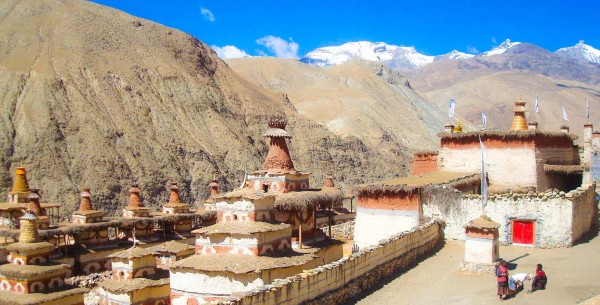
We begin today’s trek by gradually ascending to Kamattarka at the confluence of the Tarap Chu and Lang Khola. We cross a narrow gorge and leave the tree line behind us and welcome wild rose and juniper bushes, typical of the dry inner Himalayan valleys. After walking for several more hours, we reach the village of Dho Tarap which is surrounded by an irregular stone wall. In this Valley both Bon Po and Chaiba religious sects reside together. Tarap is also inhabited by a few Tibetans and mostly Magars who have lived here for many generations. Overnight in Do Tarap.
Included meals:Breakfast Lunch Dinner -
Day 9 Rest Day at Dho Tarap for acclimatization 4,090m
The day off will assist with acclimatization and allow some bodily rest. We can spend the day visiting nearby monasteries. During today’s short walks, we also get a chance to get acquainted with the local culture. The Dolpo people wear homespun clothing that is sometimes dyed a maroon color and they favor Tibetan style somba or dhocha (boots with upturned toes) for footwear. Both men and women often wear religious amulets and strings of coral, amber, and turquoise. The people of the region are both Bon Po and Nyingmapa (Buddhist sects). Overnight in Dho Tarap.
Included meals: Breakfast Lunch Dinner -
Day 10 Trek to Numa La Base Camp 4,440m
We trek towards the upper Tarap valley enjoying views of lush grasslands on both sides of the river which is unique to this part of the inner Dolpo. We walk alongside Tarap Chu river and take pleasure in the amazing views of the vast Tarap valley with its wide plains and high mountains. A few hours' good walks takes us to the village of Tokyu which houses a Buddhist monastery of the Chiba sect. After exploring the monastery, we continue walking up the valley on a rough trail before reaching the Numa La Base Camp. Overnight in Numa La Base Camp.
Included meals: Breakfast Lunch Dinner -
Day 11 Cross Numa La pass , camp at Denigar Highest point 5,190m
Today is going to be the toughest and one of the longest days of our trek. After breakfast, we begin crossing the Numa La pass on a steep trail all the way up the top ridge of the pass. From the ridge we get incredible views of the barren mountains of Dolpo up to Mt. Dhaulagiri (8167m).After getting to the top of Numa La, we descend to camp at Pelung Tang and continue to Denigar.
[Included meals: Breakfast+Lunch+Dinner] Overnight at tented camp -
Day 12 Cross Baga La pass , trek to Yak Kharka (3860m/12664ft 6-7 hours 5,070m
After breakfast we begin our steep climb up to the top of Baga La pass. From here, we get fantastic views of the dry landscape and the distant snow-capped mountains including Mt. Kanjirowa. We spend some time at the top of the pass taking pictures and generally enjoying the mesmerizing views. Next, we descend to Dajok Tang and then to Yak Kharka for an overnight stay.
[Included meals: Breakfast+Lunch+Dinner] Overnight at tented camp -
Day 13 Yak Kharka to Ringmo 3,600m
We spend most of today’s trek on trails alongside beautiful pine forests and alpine vegetation. After trekking for a short while on an easy trail with only gradual highs and lows, we reach Ringmo Village. The village is a traditional Tibetan village of the Dolpo region.
[Included meals: Breakfast+Lunch+Dinner] Overnight at tented camp -
Day 15 Exploration Around Phoksundo Lake 3,600m
Today you will visit Bonpo Monastery and hike around the beautiful lake. The afternoon will will be time for relaxation and rest.
Included meals: Breakfast Lunch Dinner -
Day 16 Phoksundo Lake to Shyanta 2,520m
We trek downhill to Chepka. From Chepka the trail follows a massive overhanging rock. During our trek, we find many important medicinal minerals which are believed to cure almost anything in this area. The route then passes through villages, before climbing to Shyanta. Overnight in Shyanta.
Included meals: Breakfast Lunch Dinner -
Day 17 Shyanta to Jhupal 2,520m
We march towards Jhupal via Sulighat on a trail surrounded by birch trees. From atop a ridge, we get the most spectacular views of the mountain above us and Jhupal Village below. Almost caution is required while trekking along this trail. After reaching Jhupal, we can spend our afternoon exploring the busy market town or simply taking a rest. Overnight in Jhupal.
Included meals: Breakfast Lunch Dinner -
Day 18 Fly to Nepalgunj, fly to Kathmandu 2,520m
We take the earliest flight from Jhupal to Nepalgunj. Upon reaching Nepalgunj, we return to Kathmandu on the next available flight. Upon our arrival in Kathmandu, we will be transferred to our hotel. To celebrate the successful completion of our journey, we will have a farewell dinner in the evening. Overnight in Kathmandu.
Included meals: Breakfast-Lunch -
Day 19 Final departure 2,520m
We are saying goodbye as your journey to Nepal comes to an end today. If you have more time you can do some shopping or sightseeing. Approximately 3-4 hours before your scheduled flight a representative from Himalayan Wander walkers will take you to the airport. On your way home you'll have plenty of time to plan your next adventure in the wonderful country of Nepal.
Meal: Breakfast.
What's included 11 items
- Trekking Guide: Speaking English, Nepali, Tibetan and Dolpo language
- Trekking Crew Members (Cook, Kitchen Staff, Mule Driver, etc)
- Two way flight fare (ktm-Kep-Dolpo-Kep-Ktm)
- Porters or Mules to carry load
- Trekking equipment: Chairs &Tables, Mattress, Member tents , Kitchen/ Dinning tent, Toilet tent, Bedding Bag , First aid kit.
- Food: Three times meal (Breakfast, lunch and Dinner)type of different items.
- Drink: Tea, Coffee, juice etc. with light snacks biscuits cookies etc. along with fruits and chocolates.
- Three Nights accomodation in 3* hotel in Kathmandu
- One night hotel in Nepalgunj
- All necessary permits.
- Sightseeing entrance fee
What's not included 8 items
- Nepalese visa fee
- Excess baggage charge for domestic flights
- Extra night accommodation in Kathmandu because of early arrival, late departure, early return from mountain (due to any reason) than the scheduled itinerary
- Meals in Kathmandu
- International flights
- Travel and rescue insurance
- Personal expenses (phone calls, laundry, bar bills, battery recharge, extra porters, bottle or boiled water, shower, etc.)
- Gratitude for Crew members
Route Map
Useful Information
CHECKLISTS FOR LOWER DOLPO CIRCUIT TREK
- Valid passport (valid for six months from the date of your trip)
- MasterCard, Visa Credit, and Debit Cards are accepted in Nepal. However, some cash is highly recommended.
- Mobile (if your cell phone is from CINGULAR USA or ATNT (USA) operators, then your cell phone will work in Nepal.)
- Clothing (Layered clothes, windproof and waterproof jackets, fleece pullovers, thermal base layers, hiking pants, shorts, headwear, footwear, and other items according to your needs)
- Personal Items and Toiletries (First-Aid Kit, Iodine tablets or a UV purifier to treat water, Sun Protection)
- Travel and Health Insurance
- Trekking gear and equipment(if you have your own trekking gear and equipment, such as trekking poles, sleeping bag, and shoes, then you can bring them; else you can rent them in Thamel, Kathmandu). Read more for trekking gears and peak climbing gears.
Guiding, Food, and Camping
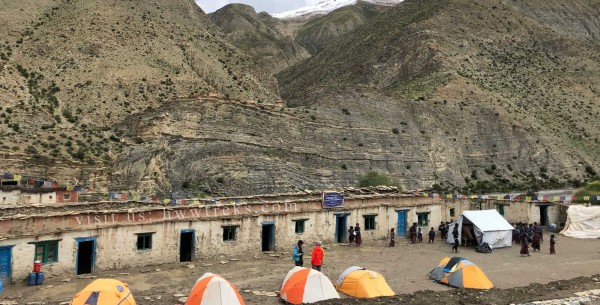
In Nepal, all trekking supplies - camping equipment, kitchen implements, food - are all carried by pack animals like mules, Yaks, and horses. Even Porters are common in Nepal. All trekkers are accompanied by a guide, a cook, and usually at least one horseman or yak herder. With the surest footing; they lead trekking groups across the passes. The horseman and cook will usually run ahead during a trekking day. They will have prepared a packed lunch for hikers and will go on to the night’s resting place to set up camp. They set up tents, cook dinner, and ready the area for arriving trekkers. When trekkers reach the campsite they are greeted with a hot cup of tea and biscuits in the dining tent. After six hours in the mountains, no drink will ever taste sweeter. For dinner, the cook will usually prepare a buffet of dishes that are as welcome as they are delicious.
DRESS CODE FOR VISITING MONASTERIES, AND TEMPLES
- Shirt (either half or full sleeve)
- Full pants/long skirts
- Any type of shoes with socks
- No Hats, No Umbrella, No Slippers, No t-shirts, No short skirts, and No half-pants
- Photographs are allowed in the courtyard only.
Note regarding itineraries
Although we generally adhere to the schedule, the itinerary is subject to change for numerous reasons beyond our control, including weather and terrain conditions, suitable campsite availability, and the group's general fitness level. It is important to understand that our trek is logistically complex and it is not unusual that adjustments be made. Our guide will orient you each evening to the following day's plan; their good judgment is the key to the long history of successful treks that Himalayan Wander Walkers has led till now. Please remember that our ability to make adjustments as needed helps to ensure that your trek is successful.
Frequently asked questions
Yes, you can customize the Lower Dolpo Circuit Trek. Depending on your preferences, we can adjust the itinerary to suit your needs, such as shortening or lengthening the trek or adding extra days for rest. If you have specific interests, like visiting certain monasteries or villages, we can tailor the route to accommodate those. Just let us know your preferences, here “Customize your Trip”.
No, you can't do the Lower Dolpo Circuit Trek as a teahouse trek. The region is remote and lacks the infrastructure of teahouses or lodges, especially in the more isolated trek areas. This trek is best suited for camping, as it allows you to explore some of the most untouched parts of Dolpo.
During the trek, meals will be provided by our camping crew. You’ll enjoy nutritious, freshly prepared meals that cater to various dietary needs. Expect a mix of Nepali, Tibetan, and Western-style dishes, including rice, lentils, vegetables, and occasional meat dishes. Tea will be provided frequently along the trek.
For the Lower Dolpo Circuit Trek, you’ll need high-quality trekking gear suitable for cold, high-altitude conditions. This includes waterproof trekking boots, warm layers (including a down jacket), gloves, hats, a sleeping bag for cold temperatures, trekking poles, and a good-quality backpack. A comprehensive packing list will be provided before departure, ensuring you have everything you need for comfort and safety. For more details read our Trekking Gear blog.
During the Lower Dolpo Circuit Trek, you’ll have access to phone networks and the internet, with most areas covered by NTC service. However, some remote villages may have limited or no connectivity. Overall, you can stay connected while enjoying the trek’s natural beauty. Satellite phones can be arranged for emergencies.
Altitude sickness is a common concern when trekking in high-altitude regions, and we take it seriously. To mitigate the risk, we have built-in acclimatization (rest) days into the itinerary, allowing your body to adjust gradually to the changing elevation. Staying hydrated, eating well, and taking things slow are key to avoiding altitude sickness. If symptoms like headaches, nausea, or dizziness appear, we encourage resting and informing your guide, who will follow proper protocols. It’s important to listen to your body and communicate any concerns during the trek.
Yes, the Dolpo region is home to some incredible wildlife. On this trek, you might have the chance to see snow leopards, blue sheep, Himalayan tahr, and various species of birds. The area is part of the Shey Phoksundo National Park, which is rich in biodiversity, and you may even encounter these animals in the more remote parts of the trek, especially during the quieter hours.
If the flight from Nepalgunj to Juphal gets canceled due to weather conditions, we always have a backup plan. The first option will be to drive to Juphal, as a drivable road is available from Nepalgunj. It’s always wise to have 1-2 extra days in your itinerary to accommodate any delays caused by weather issues.
No question matches that. Try a different word, or ask us directly — we answer every message.
Reviews
| 2–4 travellers | $3,300 each |
|---|---|
| 5–8 travellers | $3,200 each |
| 9–12 travellers | $2,900 each |
Holding your place…
Please do not close this window.Larger group, a date you cannot see, or just a question?
Sun–Fri, 9am–5pm Nepal time. We usually reply the same day.
You might also like
Trips in the same country, at the same sort of pace.